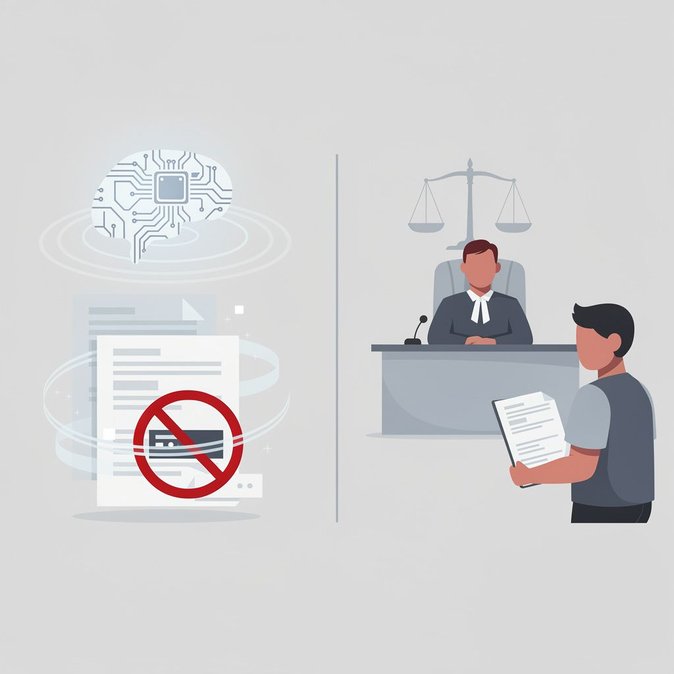
Canada’s Immigration and Refugee Board (IRB) has drawn a bold red line under the use of large-language-model tools in quasi-judicial proceedings. A Practice Notice released on September 7 and formally published on October 9 prohibits claimants, counsel and witnesses from submitting any piece of personal evidence—Basis-of-Claim narratives, affidavits, photographs, videos or screenshots—if it was written or materially altered by artificial-intelligence software. Ordinary spell-check and formatting tools remain acceptable, but anything that creates or substantively rewrites content is off-limits. The Board argues that authenticity, not technophobia, is the driver. AI systems can hallucinate facts, fabricate documents and subtly distort images; because credibility is central to refugee protection and most immigration appeals, the IRB says it must be able to trust that the story on the record comes from a human being with personal knowledge of the events. Where AI touches a filing at all—such as transcription, translation or minor re-phrasing—the party must file a written declaration naming the person who verified the content and confirming that every legal citation was checked against an authoritative source. Compliance is not optional. The IRB reserves the right to refuse a document, give it no weight, draw adverse credibility findings, report counsel to their professional regulator or even bar repeat offenders from appearing. The new rules apply across all four divisions—Immigration, Immigration Appeal, Refugee Protection and Refugee Appeal—and therefore reach everything from detention reviews to Pre-Removal Risk Assessment appeals. For corporate mobility programs the decision matters in two ways. First, employees who may file refugee or humanitarian claims must now rely on human-drafted evidence, increasing preparation time and legal costs. Second, in-house lawyers preparing affidavits or statutory declarations for work-permit disputes should ensure that no AI drafting assistants were used. A failure to disclose could see evidence struck and delay a transferee’s status. In practical terms, employers should update internal templates, remind outside counsel of the ban and document any permissible AI assistance—such as automated transcription—before the IRB asks. Given the Board’s explicit warning about confidentiality risks in consumer AI tools, compliance is also good data-security hygiene.
Source: IRCC.com