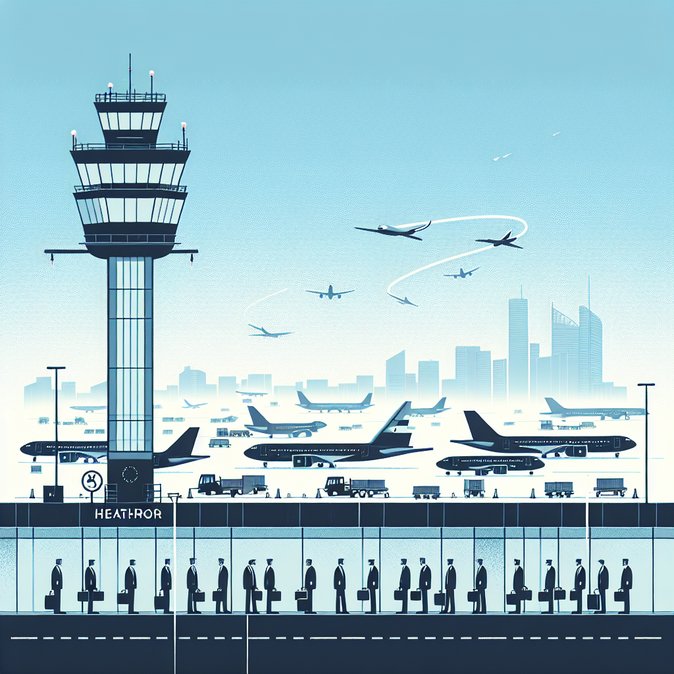
Travellers returning from the Christmas break face another testing day as airports in five countries – the UK, Ireland, Belgium, Germany and Switzerland – report a combined 469 flight delays and 33 cancellations. London Heathrow once again tops the disruption league, with 18 cancellations and 92 delays by midday on 26 December.
The immediate causes vary: residual fog over south-east England, de-icing bottlenecks in Frankfurt, and winter-ops staff shortages in Geneva and Dublin. But the underlying issue is capacity stress at Europe’s mega-hubs during the peak holiday wave. British Airways has cancelled nine rotations and delayed 88 more; Brussels Airlines, Swiss and Lufthansa also report knock-on effects. Interline partners warn that missed connections could displace passengers onto flights as far ahead as 29 December.
![Heathrow Leads Europe-Wide Boxing-Day Flight Disruption: 469 Delays, 33 Cancellations]()
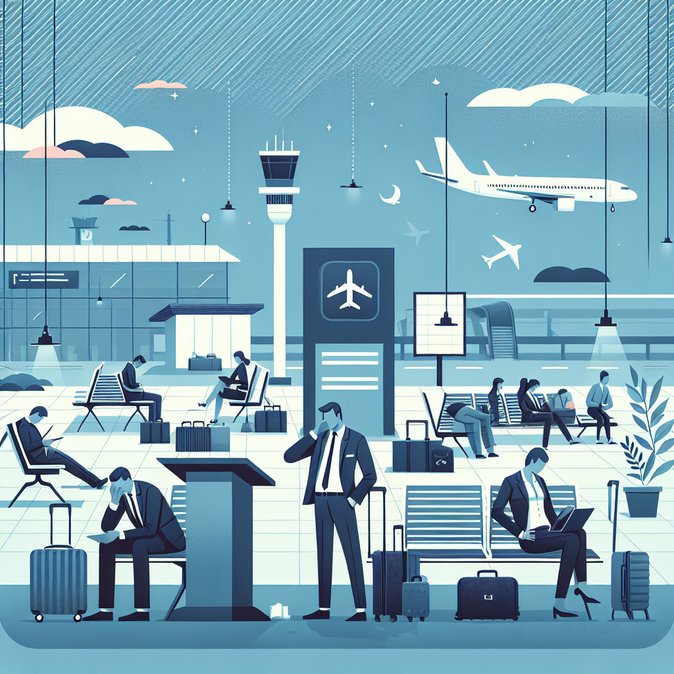
Global-mobility teams should instruct travellers to download airline apps, enable push alerts and stay air-side if possible once through security to avoid re-screening queues during gate changes. Premium frequent-flyer status can help secure earlier rebooking, but non-status employees may need overnight accommodation; duty-of-care budgets should prepare for extra hotel nights.
Under EU261, travellers departing from any EU/UK airport are entitled to meals, refreshments and – when delays exceed five hours – the right to re-routing or refund. Employers should remind staff to retain receipts. Cargo managers should note that belly-hold backlogs could delay time-sensitive shipments such as clinical-trial supplies.
Looking ahead, Eurocontrol expects flow rates to normalise after 27 December once holiday traffic thins. Nevertheless, Heathrow slot overseers urge airlines to maintain schedule discipline to prevent a repeat of the summer 2022 crisis.
The immediate causes vary: residual fog over south-east England, de-icing bottlenecks in Frankfurt, and winter-ops staff shortages in Geneva and Dublin. But the underlying issue is capacity stress at Europe’s mega-hubs during the peak holiday wave. British Airways has cancelled nine rotations and delayed 88 more; Brussels Airlines, Swiss and Lufthansa also report knock-on effects. Interline partners warn that missed connections could displace passengers onto flights as far ahead as 29 December.
Global-mobility teams should instruct travellers to download airline apps, enable push alerts and stay air-side if possible once through security to avoid re-screening queues during gate changes. Premium frequent-flyer status can help secure earlier rebooking, but non-status employees may need overnight accommodation; duty-of-care budgets should prepare for extra hotel nights.
Under EU261, travellers departing from any EU/UK airport are entitled to meals, refreshments and – when delays exceed five hours – the right to re-routing or refund. Employers should remind staff to retain receipts. Cargo managers should note that belly-hold backlogs could delay time-sensitive shipments such as clinical-trial supplies.
Looking ahead, Eurocontrol expects flow rates to normalise after 27 December once holiday traffic thins. Nevertheless, Heathrow slot overseers urge airlines to maintain schedule discipline to prevent a repeat of the summer 2022 crisis.
Source: Travel and Tour World