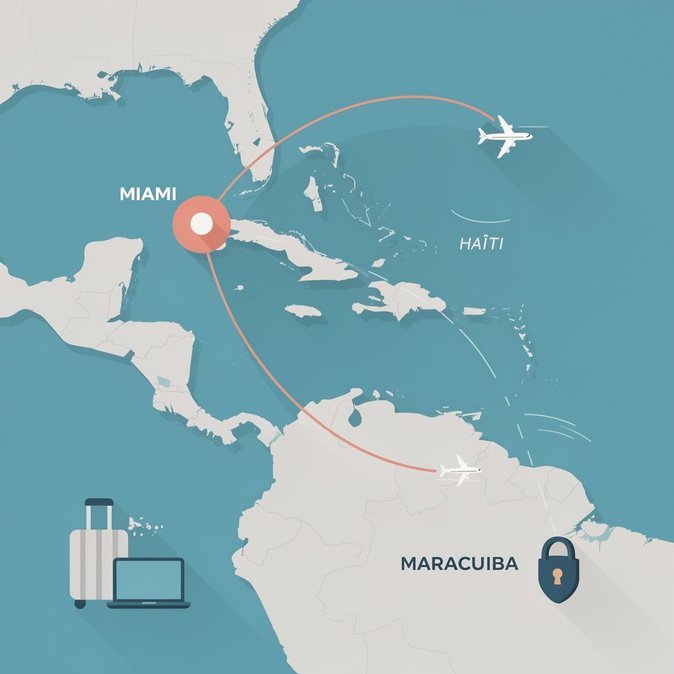
American Airlines confirmed on June 13 that it will resume Miami–Cap-Haïtien service on November 1 and add Miami–Maracaibo on July 14, marking the carrier’s 99th and 100th Caribbean routes. The move comes despite the Federal Aviation Administration’s flight ban to Port-au-Prince through September 2026 and the State Department’s Level 4 advisory for Haiti. Cap-Haïtien International Airport sits on Haiti’s northern coast, well away from the gang violence gripping the capital. By reopening the route, American positions itself as the first U.S. airline back in the Haitian market after a six-year absence caused by COVID-19, civil unrest and security curbs. The airline will deploy a 172-seat Boeing 737 with same-day connections from New York and Orlando—cities with sizable Haitian-American populations. The carrier is also expanding into Venezuela, adding Maracaibo to complement its recently restored Caracas service. U.S. sanctions once barred nearly all direct flights, but Treasury licenses now allow limited commercial operations provided carriers vet passengers and cargo against OFAC watchlists. For corporate travel managers the announcement offers new—if still fragile—mobility options. Firms with projects in Haiti’s textile free-trade zones or Venezuela’s oil sector may regain same-day access, but duty-of-care policies must weigh persistent security risks and obtain kidnap-and-ransom coverage. Travel insurers note premiums for Haiti remain among the highest worldwide. Airlines are watching closely: if American’s gamble pays off, United and Delta could follow, gradually rebuilding U.S.–Caribbean connectivity that collapsed during the pandemic and subsequent unrest.
Source: TheStreet