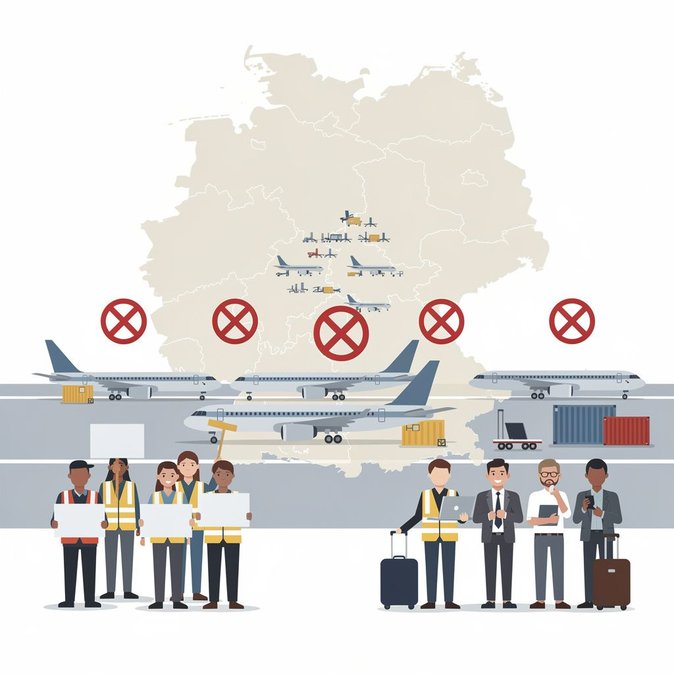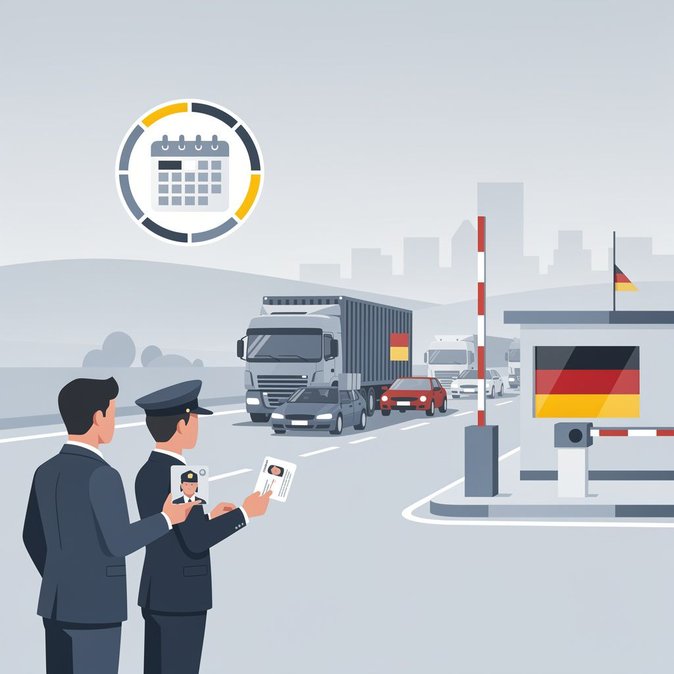
Australia’s Department of Foreign Affairs and Trade (DFAT) updated its Smartraveller advisory for Germany late on 18 July 2026, retaining the overall “exercise normal safety precautions” rating but flagging continued temporary border controls at all German land frontiers until at least 15 September 2026. The notice specifically warns of possible delays for motorists entering from Austria, Poland, the Czech Republic, Denmark, the Netherlands, Belgium, Luxembourg and France. Berlin first re-introduced internal Schengen checks in September 2024 to curb irregular migration along the Balkan and Central Mediterranean routes. Interior Minister Alexander Dobrindt has extended the measure every six months, most recently notifying Brussels of an additional extension that coincides with the height of Europe’s summer travel season. The advisory reminds travellers that passport inspections can occur well inside German territory and that officials may request proof of onward travel or accommodation. For international assignees and cross-border commuters, the return of systematic checks means longer journey times and potential missed appointments. Logistics providers report that freight transit via the A3 (Austria–Bavaria) and A4 (Poland–Saxony) corridors already experiences average delays of 35 minutes at peak hours. Companies moving time-sensitive goods or personnel should therefore schedule wider delivery windows and maintain contingency stocks. The Smartraveller update also underscores the interaction between the land-border regime and the EU Entry-Exit System (EES). Third-country nationals entering by road are still subject to biometric capture at the first Schengen external border they cross by air or sea; however, if they drive directly from a neighbouring Schengen state into Germany, local police may use handheld EES devices to verify compliance with 90/180-day rules. DFAT’s guidance, while aimed at Australian citizens, is a bellwether for other English-language advisories and a useful benchmark for multinationals managing duty-of-care obligations. Mobility managers are encouraged to circulate the updated information, advise staff to carry passports and residence permits at all times, and allow extra buffer time when travelling overland to meetings or project sites inside Germany.
Source: DFAT Smartraveller