Switzerland to Digitalise Citizenship Applications from 1 August
Ticino Reminds Cross-Border Workers of Stricter Permit-G Application Rules
Italian 24-hour rail strike starting 23 July set to disrupt cross-border trains to Switzerland
Latest News
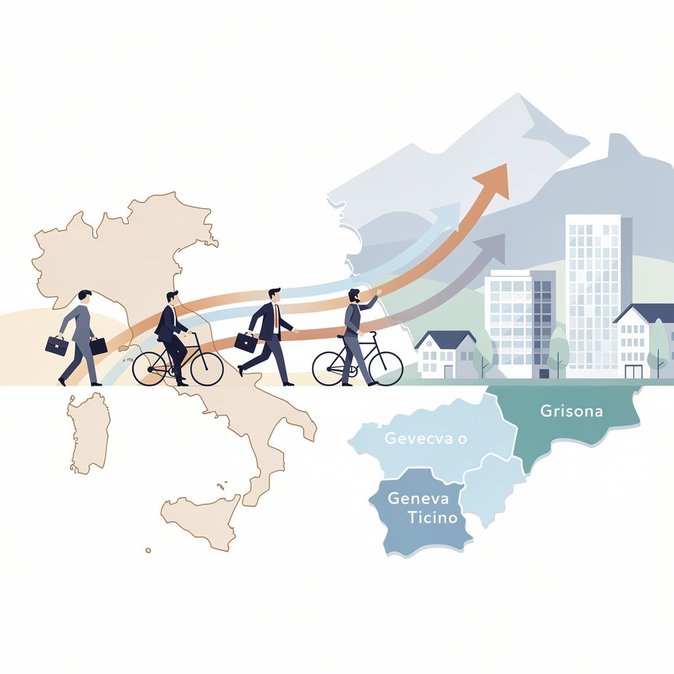
New Statistics Show 30 % Surge in Italian Cross-Border Commuters Since 2015
FSO figures show that the number of Italian residents working in Switzerland on G-permits has risen by 30 % in ten years, reaching over 91,000. Growth is no longer confined to Ticino, with Geneva, Valais and the Grisons attracting more commuters. The data will intensify discussions on wage protection but also confirm cross-border labour as a structural necessity for Swiss employers.

Cross-Border Telework: What Swiss-Based Staff Need to Know About Social-Security Cover
Specialists warn that from September the EU telework framework will change which social-security system applies to Swiss-based staff who work remotely from abroad for more than 49.9 % of their time. Employers must secure A1 certificates, adapt payroll and review insurance gaps, while employees need to confirm health- and accident-cover validity for hybrid cross-border arrangements.

Italy–Switzerland telework deal for cross-border commuters formally ratified
Italy’s cabinet approved the long-awaited protocol allowing Swiss frontier workers to telework up to 25 % of their time from their Italian homes without losing preferential tax treatment. Once ratified, the deal provides legal certainty on income tax and social-security rules for roughly 90 000 cross-border commuters and the companies that employ them.

Italy–Switzerland Telework Agreement for Cross-Border Workers Ratified
Italy has formally ratified a protocol allowing its citizens who hold Swiss G-permits to work remotely from Italy for up to 25 % of their working time without losing frontier-worker status. The measure ends years of legal uncertainty, simplifies payroll and social-security obligations for Swiss employers and gives cross-border staff clear hybrid-work parameters. Companies now have to embed time-tracking and contractual addenda to stay within the new 25 % ceiling.
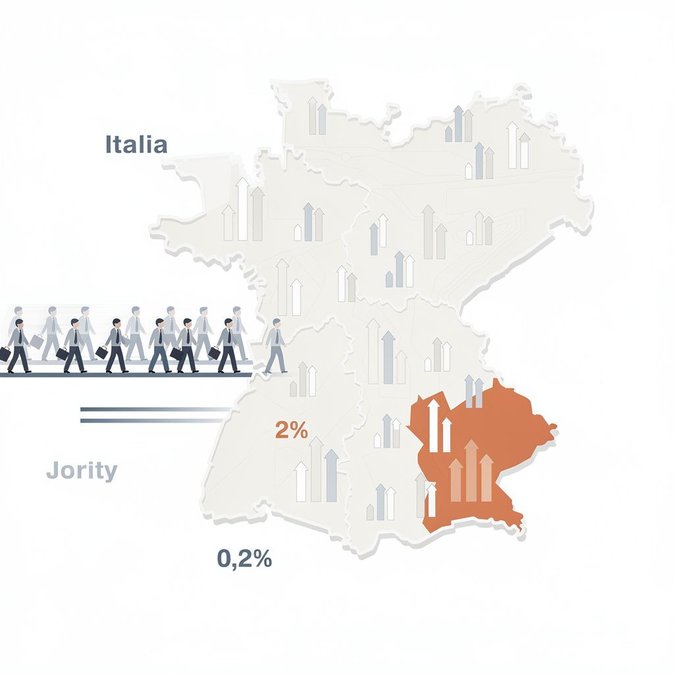
Ticino sees first dip in frontier-worker numbers while rest of Switzerland keeps growing
Quarterly statistics published on 22 July 2026 show a 0.2 % drop in Ticino’s frontier-worker population, even as Switzerland overall records nearly 2 % growth. The shift hints at a tightening labour market along the Italian border and may alter work-permit strategies for firms operating in southern Switzerland.
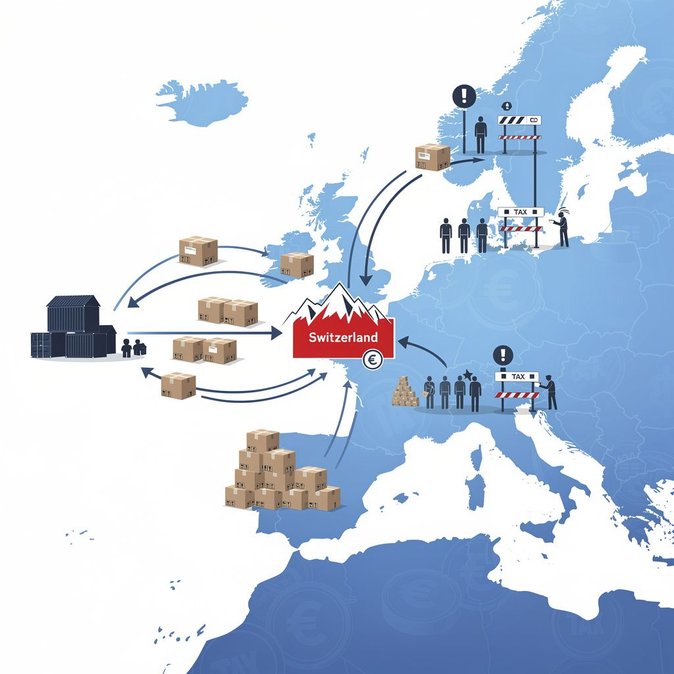
EU Small-Package Tax Sparks Fears Switzerland Could Become Chinese E-Commerce Gateway
Swiss media warn that the EU’s new €3 tax on Chinese parcels is prompting e-commerce giants to reroute shipments through Switzerland, where a matching levy will not apply until 2028. The surge risks overwhelming Swiss customs and could draw EU pressure for faster alignment, creating compliance and reputational risks for companies that exploit the loophole. Supply-chain teams should review routing strategies ahead of potential regulatory tightening.

Heatwave adds minutes to Swiss rail journeys as SBB warns business travellers to expect delays
World Radio Switzerland reports that rail delays rise by one-quarter when temperatures exceed 30 °C, with thousands of services across Europe already cancelled this summer. SBB advises passengers to allow extra time and monitor live updates as speed restrictions remain in place on key business routes.
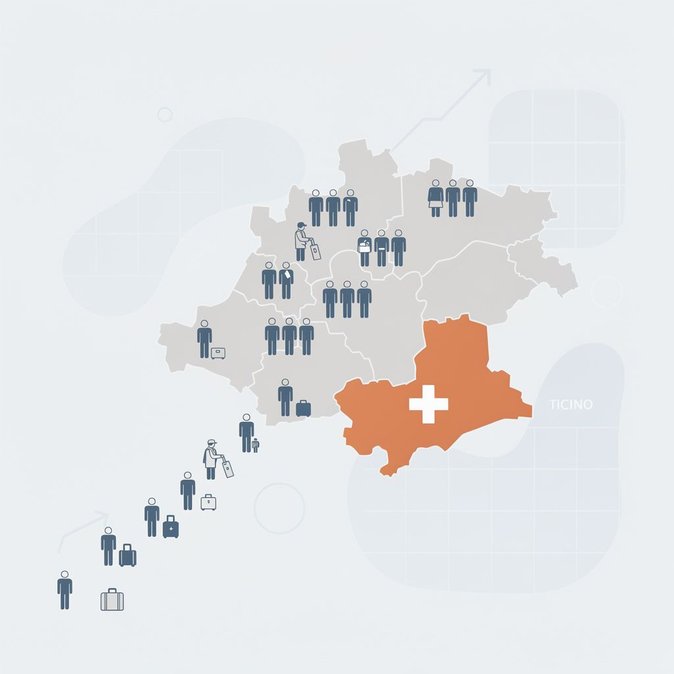
New Data Shows Diverging Trends for Ticino’s Cross-Border Workforce
Quarterly statistics show that the number of Italian frontier workers in Ticino slipped 0.2 % while cross-border employment grew 1.9 % nationwide. The divergence reflects higher local wage floors and currency effects, signalling tighter recruitment conditions for businesses in the canton even as other Swiss regions continue to expand. Mobility managers should adapt head-count planning and monitor evolving political debates on frontier-worker taxation.

Swiss lawmakers push to extend statutory paid leave—implications for assignment costs
A 22 July 2026 motion in the National Council proposes raising Switzerland’s statutory vacation entitlement from four to five weeks. While many large firms already grant five weeks, SMEs and assignee cost models would face a payroll uplift of around 2 %, requiring budget reviews and potential policy tweaks.