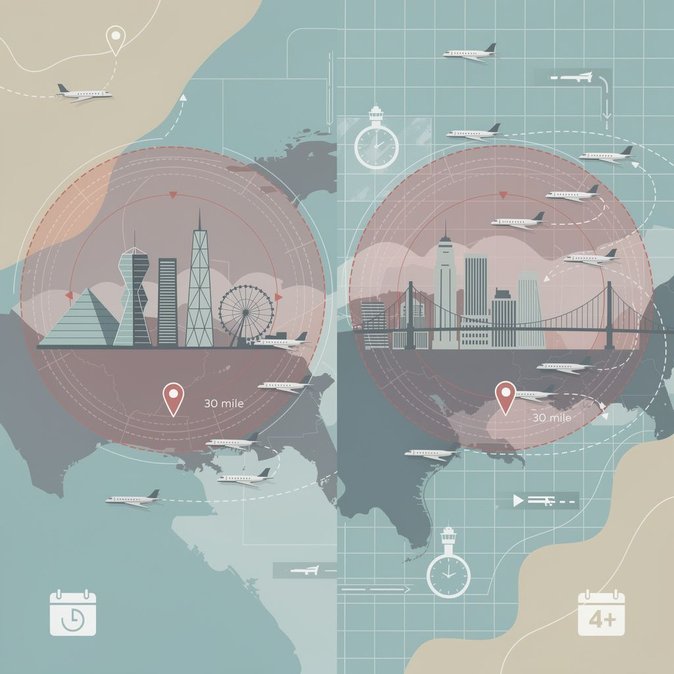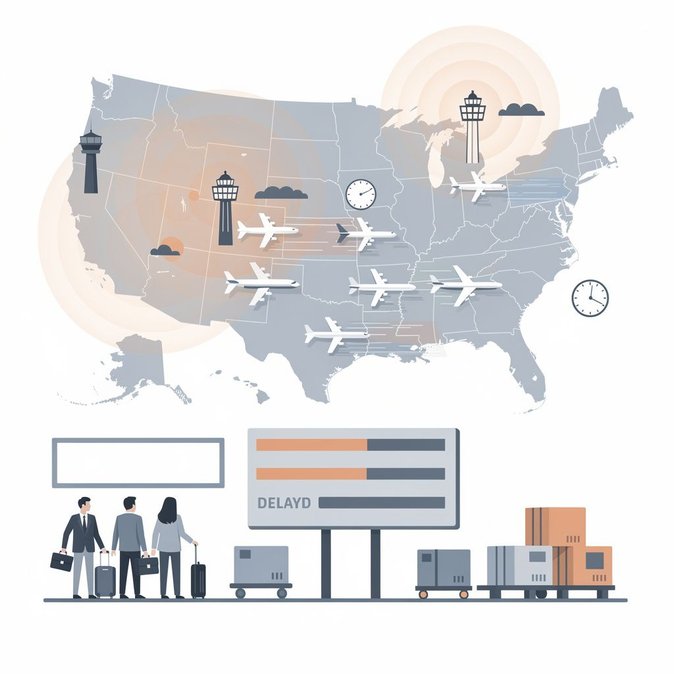
The U.S. Federal Aviation Administration’s Air Traffic Control System Command Center (ATCSCC) activated an unusually broad set of Ground-Delay Programs (GDPs) on Friday, September 25, 2026, affecting both coasts and several key interior hubs. According to ATCSCC Operations Plan Advisory ADVZY 059, New York–JFK, LaGuardia, Newark, San Francisco, and San Diego were all placed under active GDPs, while Boston, Denver and Teterboro faced the prospect of ground stops later in the day. Wind, convective weather and staffing shortfalls at multiple towers were cited as primary drivers. For business travelers, the ripple effects were immediate. Airlines began proactively re-routing traffic, and high-value flyers reported automatic rebookings as connection banks unraveled. Corporations running assignment programs were reminded of the importance of “duty-of-care” tracking—especially for assignees in transit with immigration documents expiring the same day. The advisory also listed a long slate of runway closures—including Seattle-Tacoma’s center runway, Boston’s main crosswinds set, and Miami’s 08L/26R—underscoring the compounding infrastructure pressure that autumn construction season places on mobility. International carriers moving time-critical cargo, such as passport return pouches and relocation household-goods manifests, warned of clearance delays as customs brokers struggled to match updated flight numbers with entry filings. Practically, mobility managers should instruct travelers to build extra connection buffers through early October and to use airline mobile apps for real-time rebooking. Where urgent consular appointments hinge on same-day arrival (for example, E-2 visa interviews in Toronto that require passport hand-carry), consider dispatching couriers a day early or shifting to virtual filings where accepted. Longer-term, the episode reignites debate over FAA staffing and the adequacy of the U.S. hub-and-spoke model for post-pandemic business travel patterns. Unless hiring outpaces attrition, experts predict that “pop-up” GDPs will remain a fixture of the 2026–27 travel year.