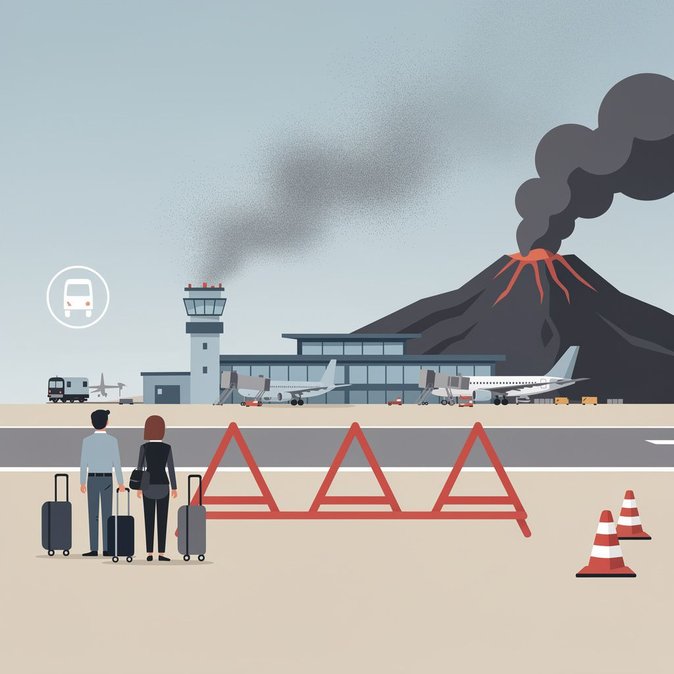
Catania–Fontanarossa, Sicily’s largest airport and Italy’s fifth-busiest gateway, remained completely closed on Monday, 28 September 2026, after fresh plumes of ash from Mount Etna blanketed its runways and taxiways overnight. Operator SAC extended the suspension of all arrivals and departures until 23:59 local time (21:59 GMT), making this the third consecutive day without commercial traffic. The decision was taken in coordination with ENAC (the Civil Aviation Authority) and the Italian Air Navigation Service Provider ENAV, which warned that drifting ash clouds at low altitude created an unacceptable risk of engine ingestion and reduced visibility for pilots. The shutdown has forced airlines including ITA Airways, Ryanair and easyJet to divert or cancel dozens of domestic and international flights, rerouting passengers through Palermo, Comiso or mainland hubs such as Rome Fiumicino. Travel-management companies report that corporate travellers bound for the petro-chemical complex in Siracusa and the Etna Valley tech cluster are facing journeys that are two to three hours longer and increased car-rental and hotel costs. Freight forwarders have also shifted urgent air-cargo consignments to Palermo, adding trucking legs and congestion surcharges. Mount Etna—Europe’s most active volcano—erupts frequently, but this summer’s activity has been unusually intense. According to Italy’s National Institute of Geophysics and Volcanology (INGV), the current eruptive phase began on 14 September, with ash columns reaching 4 km altitude and prevailing winds carrying debris toward the airport. SAC closed the field twice in July and once in August, costing an estimated €6 million in lost aeronautical and retail revenue. Business-continuity experts say the latest stoppage underscores the importance of contingency routing in corporate travel policies. Firms with operations in Sicily are advising employees to keep flexible tickets or consider high-speed rail via Messina, while travel-risk insurers are fielding claims for missed connections. Under EU Regulation 261/2004, airlines must rebook or refund passengers, but the volcanic ash is deemed an ‘extraordinary circumstance’, so cash compensation is not payable. SAC will reassess conditions Tuesday morning. If wind shifts push the ash plume away from the field, a phased reopening could begin, but authorities warn that further closures are possible as Etna’s activity remains high. Travellers should monitor airline updates and avoid heading to the airport until flights are confirmed.
Source: Reuters via Internazionale
How VisaHQ can help
VisaHQ simplifies the visa application process for individuals and businesses. Check current travel requirements, prepare the required documents and manage your application online through the VisaHQ Italy portal.More From Italy
View all
Delta Issues Global Waiver for Italy Routes as Volcanic Ash Complicates Trans-Atlantic Operations

Nation-wide four-hour air-traffic-control strike set for 30 September; ENAC publishes guaranteed-flight list