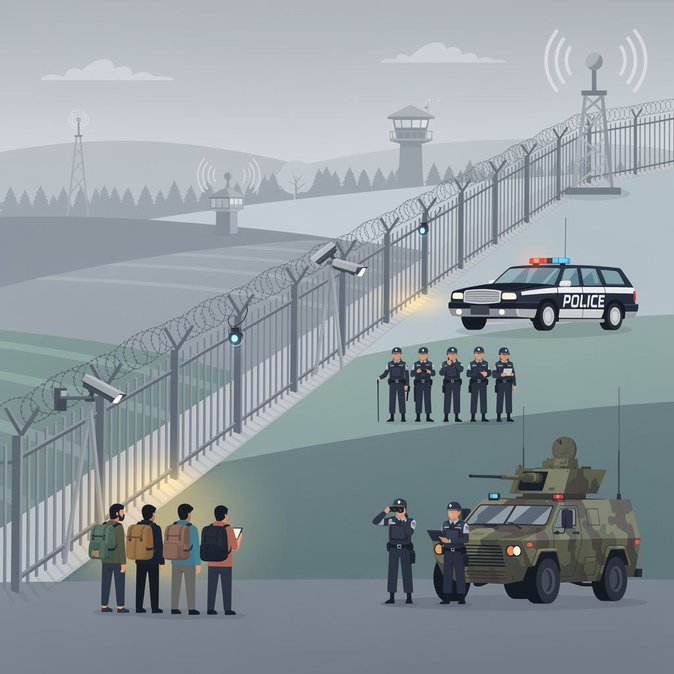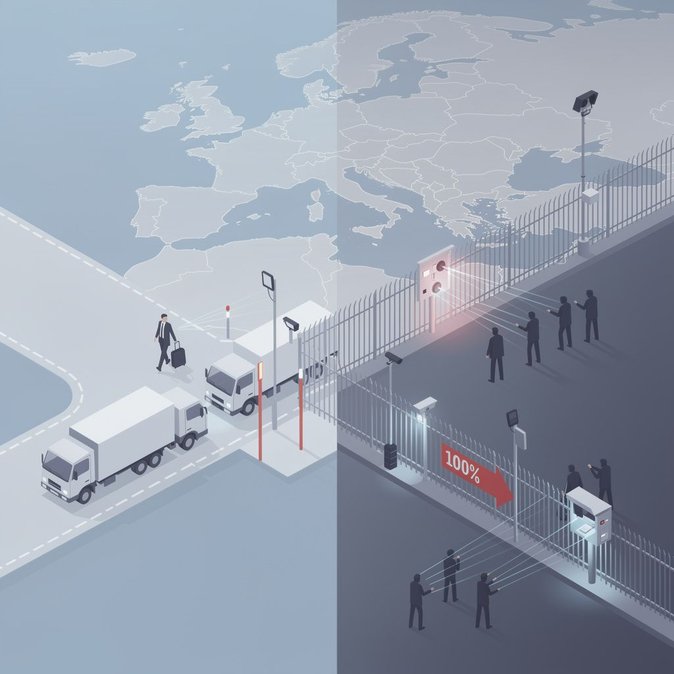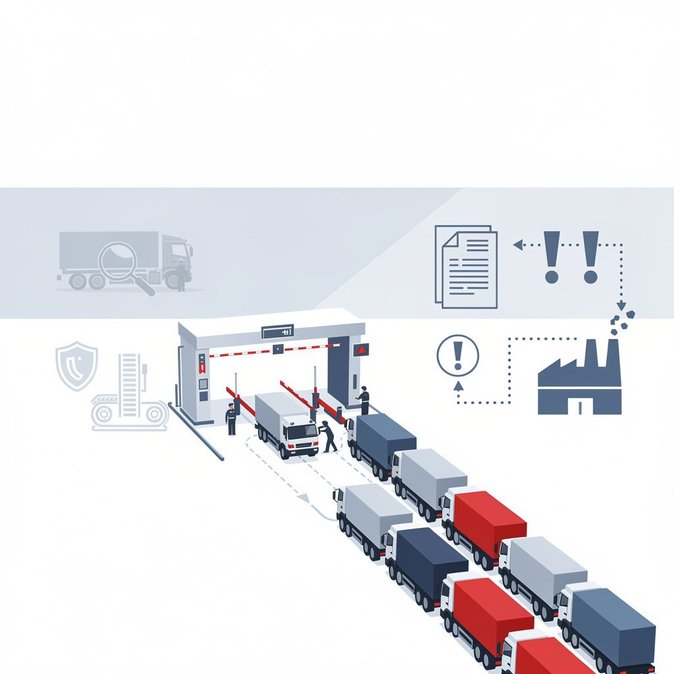
Real-time data from the crowd-sourced platform KolejkaNaGranicy.pl show that at 18:15 CET on 11 October cargo vehicles entering Poland at the Koroszczyn–Kozłowiczy crossing faced wait times of 82 hours and 15 minutes—the longest delay recorded on any Polish border since the Easter peak. Outbound traffic to Belarus was more moderate at 1 hour 55 minutes, but logistics firms warn the imbalance is creating storage bottlenecks on the Belarusian side and forcing some EU truckers to reroute via Lithuania. The jam is the combined product of Poland’s intensified document inspections—authorities now x-ray every third truck for hidden migrants—and Belarusian customs’ new phytosanitary certification rules for EU food imports. With only two cargo lanes open during overnight hours, the queue length grew by roughly nine hours in a single day. Freight forwarders estimate direct costs of €880 per truck in idle time and fuel, excluding contractual penalties for late delivery. Export-oriented manufacturers in eastern Poland, particularly automotive suppliers around Lublin, have begun to build secondary stockpiles and are pressuring the government to open a temporary parking buffer zone outside the village of Koroszczyn. The Infrastructure Ministry has so far promised only to "analyse the feasibility" of expanding hard-standing areas and to negotiate a fast-lane pilot with Minsk—talks that industry representatives say are unlikely to conclude before Christmas. Business-travel implications extend beyond the trucking sector. Non-commercial vehicles and buses share parts of the approach road, so corporate shuttle services bringing technicians to Belarusian plants should anticipate diversions and passenger ID checks. Firms whose assignees cross the border frequently are advised to monitor the live queue dashboard, schedule trips outside weekend peaks and consider rail freight for time-critical spare parts.
Source: KolejkaNaGranicy.pl