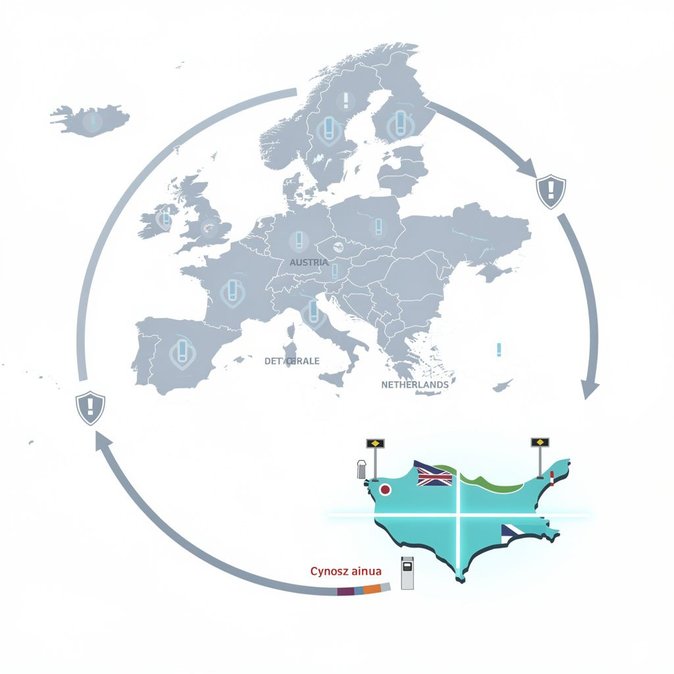
The European Commission has confirmed that Cyprus has implemented the 120 recommendations required to join the EU’s border-free Schengen area, but diplomats warn that politics—not technology—now stand in the island’s way. In an interview published on October 12, Deputy Migration Minister Nicholas Ioannides said the government has finished all IT upgrades and legislative tweaks needed to connect Cyprus to Europe’s Entry/Exit System and common security databases. The next step is unanimous approval by EU interior ministers. That consensus remains elusive. Austria and the Netherlands have informally expressed security reservations about two longstanding anomalies on the island: the 180-kilometre UN-patrolled Green Line that separates the Republic of Cyprus from the Turkish-controlled north, and the British Sovereign Base Areas of Akrotiri and Dhekelia. Neither the Green Line nor the Bases are external EU borders, yet both handle significant flows of people. Critics fear that gaps in surveillance could turn Cyprus into a back-door entry point once Schengen controls are lifted. Cyprus rejects any scenario that would turn the Green Line into a hard border. Instead, Nicosia is proposing smarter policing of the nine official crossing points, upgraded databases and closer cooperation with British authorities in the Bases. Behind the scenes, Cypriot diplomats have been courting potential veto-holders: Ioannides met his Austrian and Dutch counterparts in Luxembourg on 1 October and won verbal support from Mediterranean partners at the MED9 summit on 7 October. For business travellers and multinational employers, full Schengen membership would be a game-changer. Cyprus residence permits and short-stay visas would suddenly unlock visa-free movement across 29 countries, slashing compliance costs for regional assignments. Conversely, further delay preserves today’s fragmentation: days spent in Cyprus do not count toward the 90/180-day Schengen rule, corporate assignees must juggle separate visa inventories, and carriers must continue passport-stamping procedures at Cypriot airports. Analysts expect the file to reach the EU Council in the first half of 2027 at the earliest. In the meantime, companies with staff in Cyprus should monitor bilateral negotiations over the Green Line and the Bases, ensure travellers hold the correct national visa, and keep records of entry stamps that Schengen’s automated systems will eventually replace.
Source: Deutsche Welle