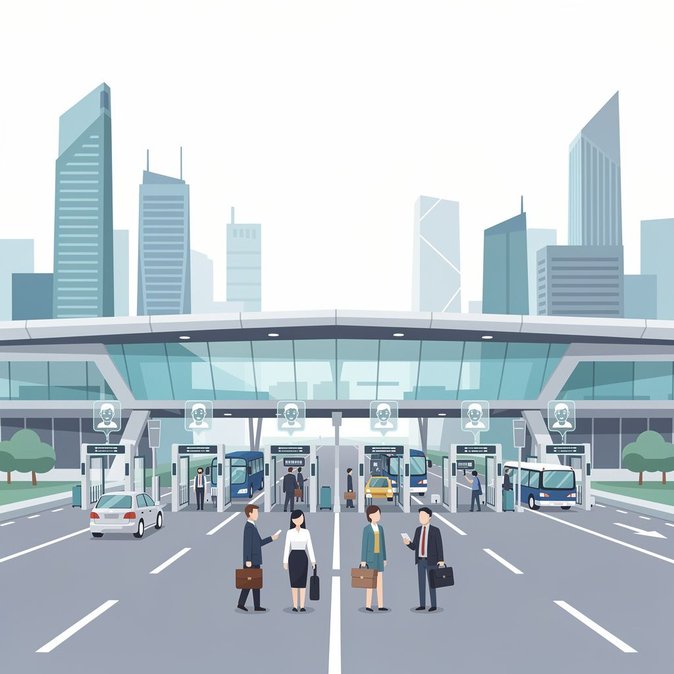
Speaking at an inauguration ceremony on 11 October, Chief Executive John Lee lauded the redeveloped Huanggang Port as proof that Hong Kong and Shenzhen can deliver both “hard connectivity in infrastructure and soft connectivity in rules”. Flanked by senior Guangdong and Shenzhen leaders, Lee said the HK$35 billion project dovetails with Beijing’s 15th Five-Year Plan and Hong Kong’s own First Five-Year Plan, both of which highlight seamless people flows within the Greater Bay Area. Officials highlighted three innovations: first, the legal designation of separate Hong Kong and Mainland port areas under one roof; second, the pioneering use of a single biometric e-gate for dual inspections; and third, a 24-hour operations schedule that supports cross-boundary shift work and late-night cargo runs. The design also anticipates the future Northern Link Spur Line, reserving space for a direct rail concourse. For multinationals, the political messaging is clear: the SAR government is betting on physical integration to anchor its role as financial headquarters for the GBA’s manufacturing and tech hubs. Law firms and consultancies were quick to note that faster land crossings complement the existing virtual asset trading pilot and new yuan settlement channels launched earlier this year. Lee’s speech underscored talent mobility too. He urged companies to pair the port’s efficiencies with Hong Kong’s Top Talent Pass Scheme and the expanded Capital Investment Entrant Scheme, arguing that a “triad of infrastructure, talent and capital” will drive post-pandemic growth. With 160,000 residents already pre-registered for the new e-lanes, authorities expect immediate uptake. The ceremony concluded with a joint statement from Hong Kong and Shenzhen pledging continuous service reviews and a commitment to widen the collaborative-inspection model to other crossings such as Shenzhen Bay and Liantang/Heung Yuen Wai.
Source: news.gov.hk