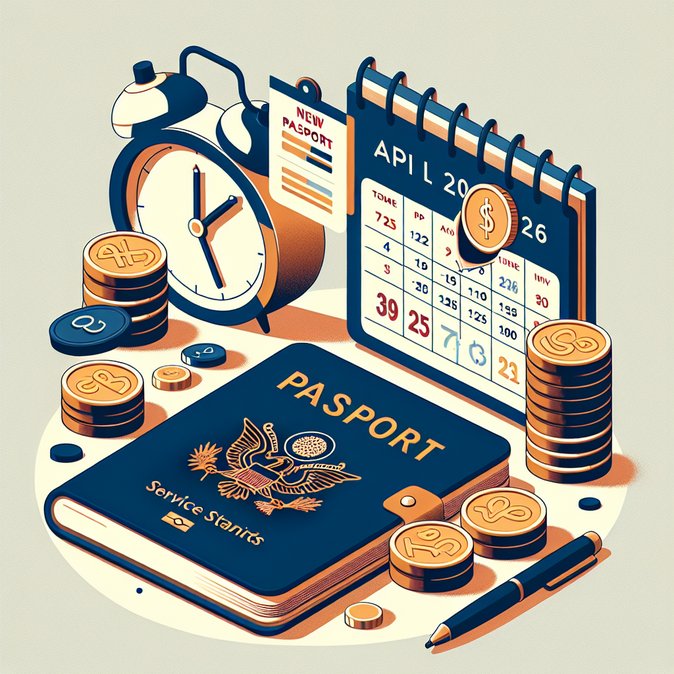
Immigration, Refugees and Citizenship Canada (IRCC) has unveiled a service-standard guarantee that will refund the entire passport or travel-document fee if an application takes more than 30 business days to process. Effective April 1 2026, the policy applies to all regular (non-urgent) domestic, overseas and mailed-in applications. Processing time is counted from the moment a complete application is received until the document is printed and verified; mailing time is excluded. IRCC says most of the roughly three million passports it handles annually already meet existing 10- or 20-day standards, but the refund clause creates a “clear and enforceable right” for travellers when service standards slip. The guarantee debuts alongside the first inflation-linked fee increase since 2024. A 10-year adult passport now costs CAD 190 domestically (up from CAD 160) and CAD 260 abroad, with similar adjustments across child, 5-year and special travel documents. IRCC signalled that annual CPI-based reviews will follow. For global mobility managers the new policy reduces uncertainty when booking employee travel—particularly for last-minute assignments—by capping the financial risk of processing delays. However, employers should still coach staff to submit error-free applications; incomplete files are excluded from the guarantee and therefore from automatic refunds. Travel-management companies also welcome the automatic refund mechanism, which removes the administrative burden of filing reimbursement requests. Yet they caution that the 30-day clock does not include mailing, meaning applicants in remote regions should factor postal transit into lead times. Corporations with large mobile workforces may consider shifting to in-person Service Canada submissions—still the fastest channel—to avoid both mailing delays and potential cash-flow hits if refunds are triggered. The refund policy, coupled with higher fees, underscores Ottawa’s wider push to modernise travel-document services, including expanded e-passport roll-outs and digital status verification pilots slated for later this fiscal year.