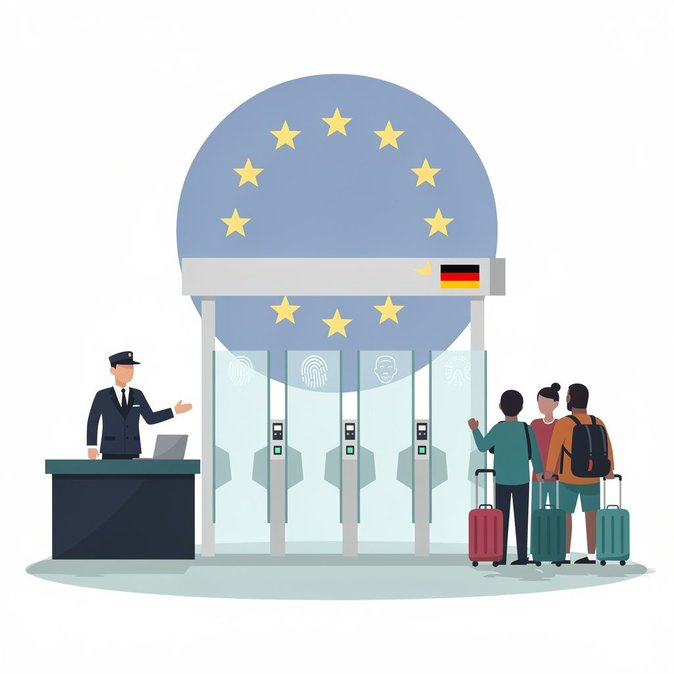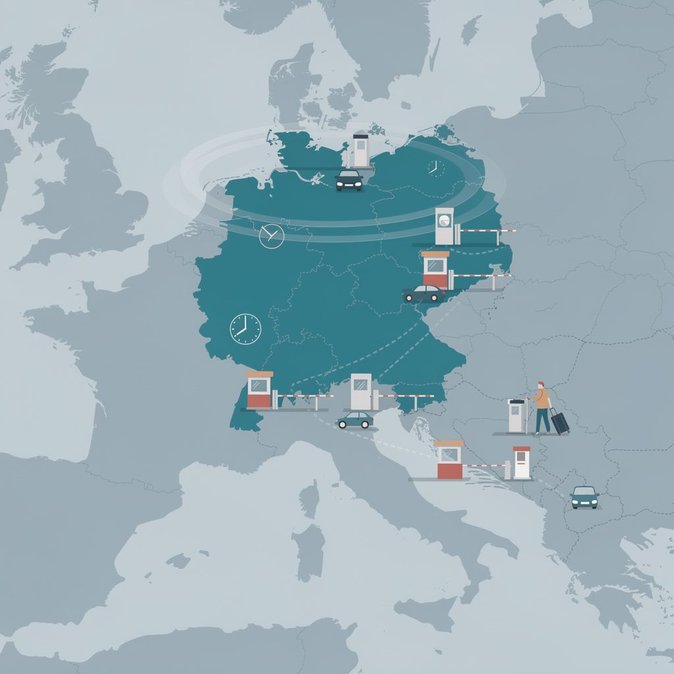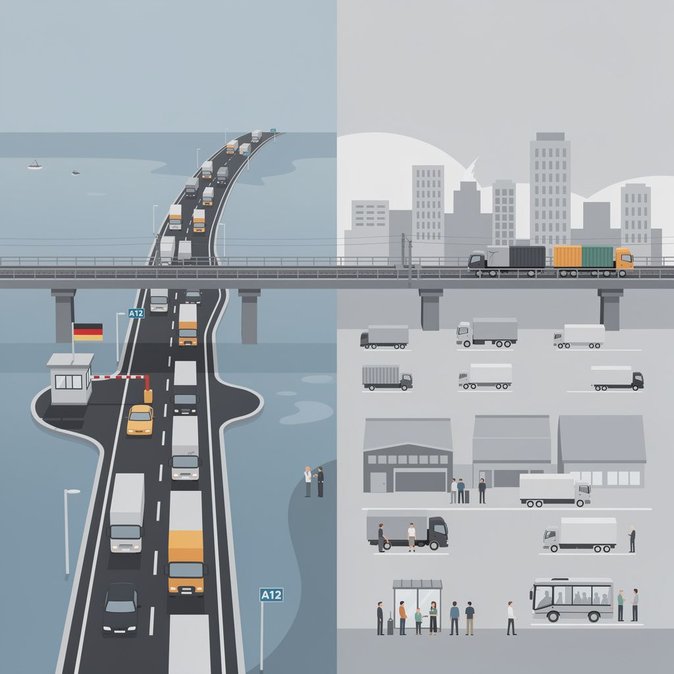
Also on 14 September, Left-party lawmakers filed a formal inquiry (hib 705/2026) demanding full cost transparency for the reintroduced controls at Frankfurt (Oder). They request figures for police overtime, infrastructure expenditure and the economic impact of delays at the Stadtbrücke, A12 autobahn and cross-border rail line. Since late 2024 those three crossings have been Germany’s busiest checkpoints with Poland, handling more than 10,000 trucks and 6,000 passenger vehicles daily. Logistics firms complain that waiting times of 45–90 minutes are now common during the morning peak, adding an estimated €80 in driver costs per round trip. Local employers in the flourishing e-commerce clusters around Slubice and Frankfurt (Oder) say staff punctuality problems have risen sharply; some firms are considering relocating fulfilment centres further west to avoid the bottleneck. The Chamber of Industry and Commerce warns that any additional tightening—such as mandatory customs declarations for UK-bound transit freight—could jeopardise 3,500 regional jobs. The Interior Ministry must answer the parliamentary question by mid-October. If the numbers confirm high fiscal outlays, pressure may grow to adopt technology-based “smart borders” instead of manpower-heavy spot checks. In the meantime businesses should continue to schedule shipments with extra lead time and explore rail alternatives on the Berlin–Warsaw corridor.