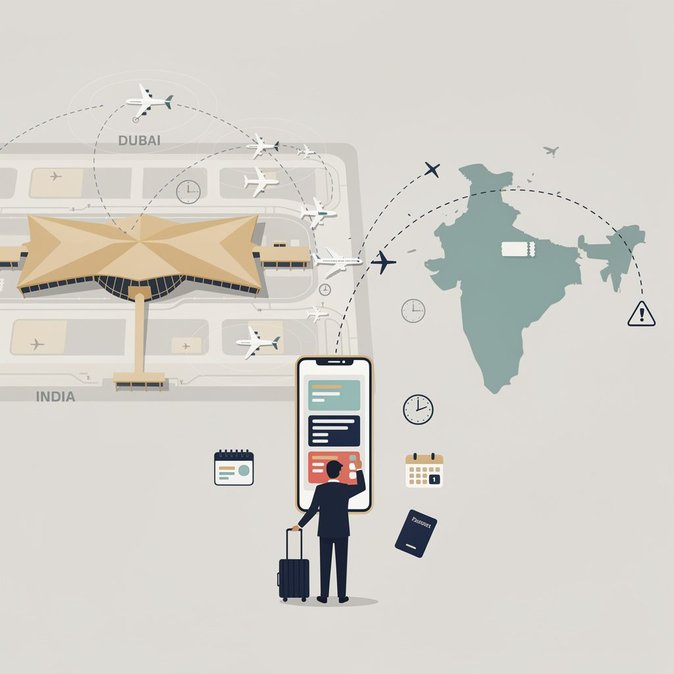
Hundreds of passengers were left scrambling on 23 September after air-traffic congestion in Dubai triggered a wave of delays and cancellations on SpiceJet’s India routes. According to Dubai airport’s flight-status board, services SG5153 (Dubai–Kozhikode) and SG5117 (Dubai–Kochi) were pushed back by up to eight hours, while flights to Jaipur and Delhi were scrubbed altogether. Inbound rotations from Mumbai and Kochi also arrived up to ten hours late. The knock-on effects extended beyond India-UAE sectors: Dubai World Central cancelled Tehran rotations, and Abu Dhabi dropped Oman Air’s Muscat run, illustrating how tightly wound Middle-East airspace remains. For Indian corporates with Gulf operations, the episode highlights the need for dynamic travel-risk assessments; travellers banking on same-day meetings faced hotel re-bookings and visa-date adjustments. SpiceJet advised passengers to verify flight status before heading to the airport and offered free date changes or refunds. However, anecdotal reports on social media suggested long queues at airline counters and limited meal vouchers. Travel managers should remind employees that UAE labour law mandates confirmed onward bookings for business-visa holders; extended airport stays can raise compliance red flags. Travel insurance providers noted a spike in claims for missed connections to Europe and Africa, as Dubai often serves as a springboard. Companies with high Gulf exposure are urged to negotiate “flexi-GDS” fares that allow same-day carrier switches. Industry analysts expect similar disruption windows as Dubai undertakes runway maintenance later this quarter.
Source: The Economic Times (NRI section)