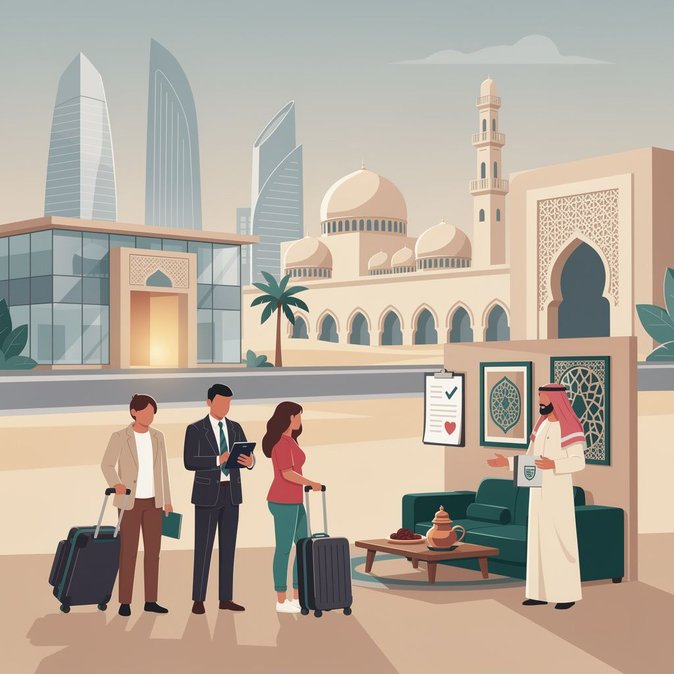
The Department of Culture and Tourism – Abu Dhabi (DCT-AD) has unveiled a new set of hospitality benchmarks called the Emirati Dhiyafa Standards, requiring hotels to embed UAE cultural elements into every stage of the guest journey from Q1 2027. Key compulsory measures include at least one staff member in national dress to greet arrivals, Arabic coffee and dates during check-in, a minimum of three Emirati dishes on restaurant menus and pre-arrival emails explaining local customs. Properties must also integrate Emirati design motifs in public areas and adopt the greeting “Marhaba al-saa.” Although positioned as a soft-power initiative, the standards have practical mobility implications. Long-stay assignees and business travellers will encounter richer cultural orientation on-site, reducing the need for separate cross-cultural training. The rules also anticipate Abu Dhabi’s Tourism Strategy 2030, which targets 39.3 million visitors and 178,000 new hospitality jobs – figures that, if realised, will intensify demand for corporate accommodation. Hoteliers largely welcomed the move, noting that occupancy remained above 86 per cent even during recent regional unrest. For global mobility teams, the framework offers a checklist when negotiating long-term rate agreements: compliance status could influence hotel selection for VIPs and relocating staff. Suppliers failing to meet mandatory standards risk reduced corporate volume.
Source: The National