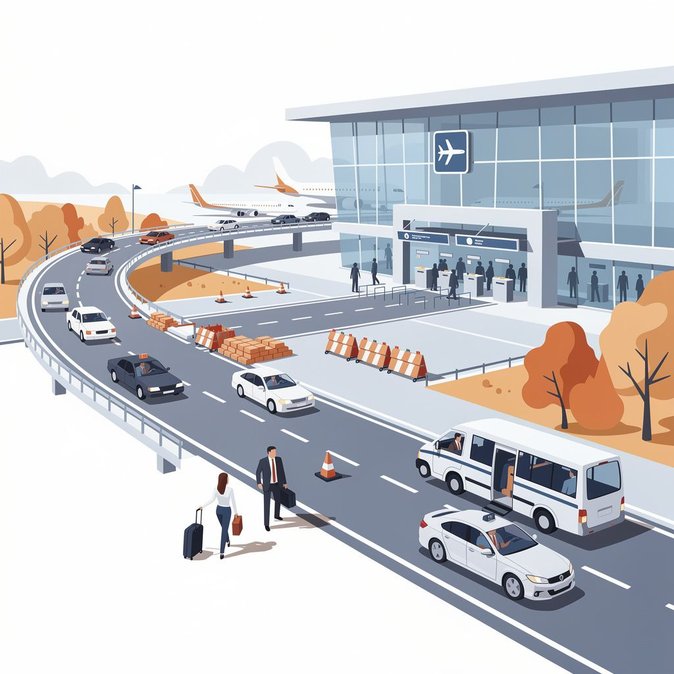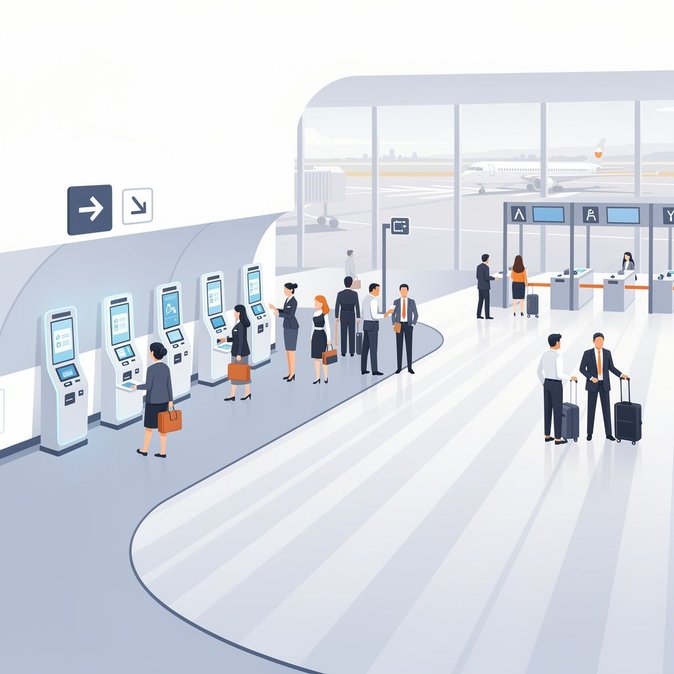
Facing growing complaints about hour-long passport-control lines, Václav Havel Airport Prague has overhauled passenger flow for arrivals from non-Schengen destinations in response to the European Entry/Exit System (EES). The airport, together with the Interior Ministry and Czech Police, has re-routed corridors, deployed a “Red Team” of way-finders, and is analysing why many travellers abandon registration at self-service kiosks. Further measures such as pre-departure online registration and in-flight briefings are under discussion at EU level. Data collected since EES was fully activated on 10 April 2026 show that incomplete kiosk enrolments create bottlenecks ahead of manned booths. By simplifying on-screen workflows and adding staff to assist families and seniors, the airport aims to cut peak-time waits to under 30 minutes. The initiative follows days when queues stretched the length of Terminal 1, forcing some airlines to delay baggage delivery to keep passengers moving. For business travellers, the biggest pain-point has been missed onward rail connections and chauffeured transfers into Prague’s centre. Corporates have also voiced concern over the reputational hit to Prague as a meetings destination—an issue the Czech Convention Bureau has raised with the transport ministry. Airport management says it will monitor live processing times and publish average wait data on its website, similar to Heathrow and Amsterdam Schiphol. A pilot of additional EasyGoGate e-gates for biometric-passport holders is expected by December, pending police approval. The case underlines a broader Schengen-wide challenge: balancing security requirements of EES/ETIAS with passenger experience. Lessons learned in Prague will feed into EU working groups shaping best practice ahead of the ETIAS launch at the end of 2026.
Source: Dopraváček News Portal