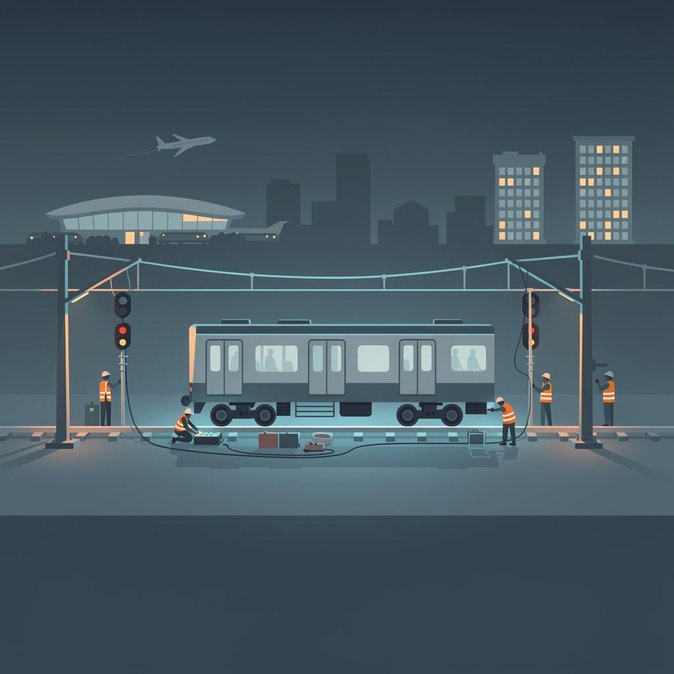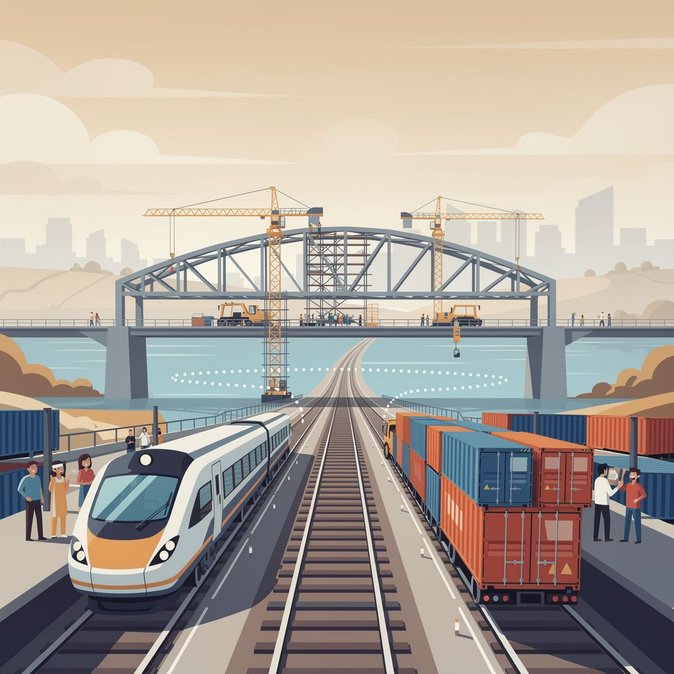
East Central Railway executed a critical phase of non-interlocking (NI) work at the new Rajendra Pul bridge in Mokama on 26 September, triggering the cancellation of 51 trains and the diversion of another 47 along one of Bihar’s busiest corridors. Long-distance services such as the New Delhi–Rajgir Shramjeevi Express and the Howrah–New Delhi Rajdhani faced full cancellation, while freight movements were re-routed via Barauni to keep supply chains moving. The NI window, scheduled for just 20 hours, allows engineers to integrate new signalling gear with the double-track bridge that will replace a 70-year-old bottleneck across the Ganga. Railway officials said the compressed timetable avoided a weeks-long blockade but acknowledged that the single-day shock would displace nearly 60,000 passengers. Ticket-holders were automatically refunded, yet many travellers complained of short notice and overcrowded replacement buses. From a mobility-management perspective, the works underline Indian Railways’ strategy of ‘big-bang’ closures to accelerate modernisation while keeping weekly traffic intact. However, corporates with project sites in Patna, Gaya and Jamshedpur must now reassess duty-travel for the remainder of the week, as rake rotations will remain out of position, causing residual delays. Logistics firms hauling perishable goods from eastern India to NCR are already shifting volume to road, adding cost and transit time. The new bridge, slated to open for regular traffic in late October, will raise axle-load limits and cut Delhi–Patna journey times by up to 90 minutes—welcome news for exporters moving finished leather, agro-products and light engineering goods. Until then, travel buyers should flag Bihar sectors as high-risk for disruption and build buffer days into itineraries.
Source: The Indian Express