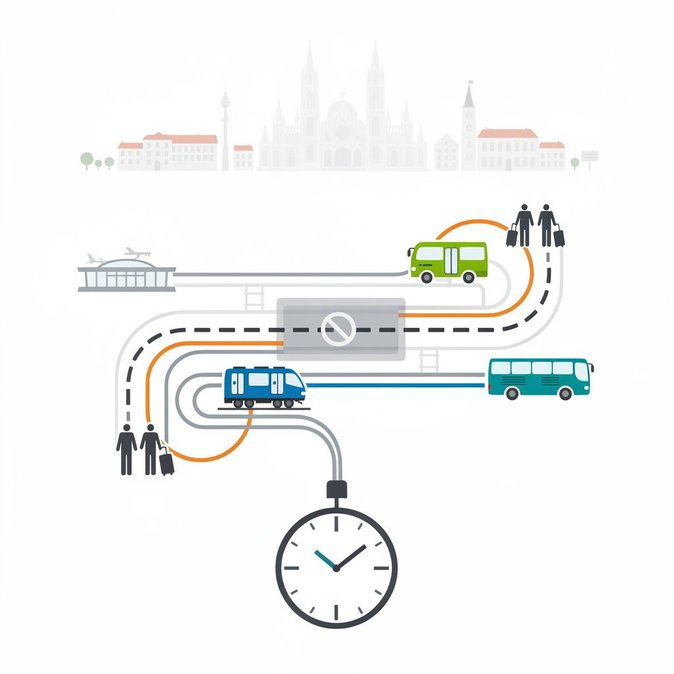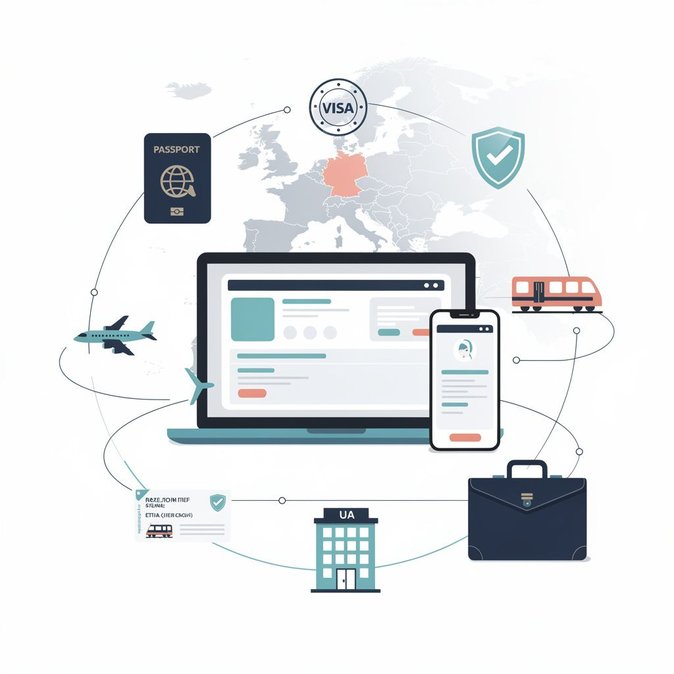
Marking UN World Tourism Day on 26 September, Austria’s State Secretary for Tourism, Elisabeth Zehetner, unveiled a national “AI-Package for Tourism” designed to help small and medium-sized operators automate visa guidance, itinerary building and dynamic pricing. Developed jointly by the Ministry of Economy, ÖW (Austrian National Tourist Office) and the Austrian Chamber of Commerce, the toolkit offers plug-and-play large-language-model (LLM) services that can be embedded in hotel websites and destination apps. A key feature is an API that pulls real-time Schengen visa and upcoming ETIAS requirements directly from the Foreign Ministry’s database, allowing accommodation providers to give guests personalised entry-check advice based on nationality and travel purpose. The system also integrates Austrian Rail (ÖBB) and Vienna Airport feeds so travellers receive automatic alerts about rail diversions and gate changes. Zehetner said the initiative aims to “keep Austria visible in the AI-assisted booking era” and reduce friction for business and leisure visitors. Pilot tests with boutique hotels in Tyrol cut average email response times to visa questions from two days to under two minutes, according to ministry data. For corporate mobility teams, the roll-out offers a new channel to ensure relocating staff and short-term assignees receive correct entry information without HR intervention. However, privacy lawyers note that companies embedding the widgets must conclude data-processing agreements and comply with Austria’s new AI Governance Act, which enters into force on 1 January 2027. The ministry will fund 80 percent of implementation costs for SMEs until end-2027. Larger hotel chains and travel-management companies can licence the APIs commercially, with volume discounts for more than 100 000 queries per month.