
Greece’s Migration Minister Thanos Plevris revealed in an interview published this morning that a coalition of five EU members – Austria, Denmark, Germany, Greece and the Netherlands – intends to launch a pilot scheme to transfer migrants whose asylum applications have been definitively rejected to ‘partner’ countries outside the European Union. According to Plevris, Rwanda is at the top of the candidate list, with Uganda and Uzbekistan also under consideration. The group hopes to have the first transfers operational by mid-2027, coinciding with Greece’s next EU Council Presidency. For Austria, the move is an extension of its long-standing push for stricter return policies. Interior Minister Gerhard Karner has repeatedly called for “real consequences” when asylum claims fail, arguing that the current low return rate (around 30 % in 2025–26) acts as an incentive for irregular migration. Vienna already finances charter flights for forced returns and has bilateral readmission deals with several Western Balkan states; participation in an EU-level offshoring scheme would mark a significant escalation. Businesses that depend on third-country talent should watch the initiative closely. Although the pilot targets rejected applicants, human-rights NGOs warn that political momentum could spill over into legal labour-migration channels if public debate conflates asylum and work migration. Corporate mobility teams may therefore need to step up briefing for non-EU staff about their rights and the difference between work permits (e.g., Austria’s Rot-Weiß-Rot card) and asylum procedures. Legal hurdles remain formidable. The European Court of Human Rights has yet to rule on whether sending migrants to a third country with no prospect of resettlement in the EU complies with the Convention. The group also needs to negotiate monitoring mechanisms with UNHCR and IOM to ensure humane treatment. Funding is another open question; Plevris indicated that the five states would shoulder initial costs but want eventual EU co-financing. If the pilot proceeds, companies moving staff between Austria and the other Core-Group countries could face more stringent passenger-data sharing and pre-boarding checks as authorities try to spot failed asylum seekers before departure. Travel managers should liaise with airlines on any new advance-passenger-information requirements and monitor forthcoming Commission guidance.
How VisaHQ can help
VisaHQ simplifies the visa application process for individuals and businesses. Check current travel requirements, prepare the required documents and manage your application online through the VisaHQ Austria portal.More From Austria
View all
Austria Consolidates Schengen Implementing Act, Clarifies On-the-Spot Asylum Requests at Borders
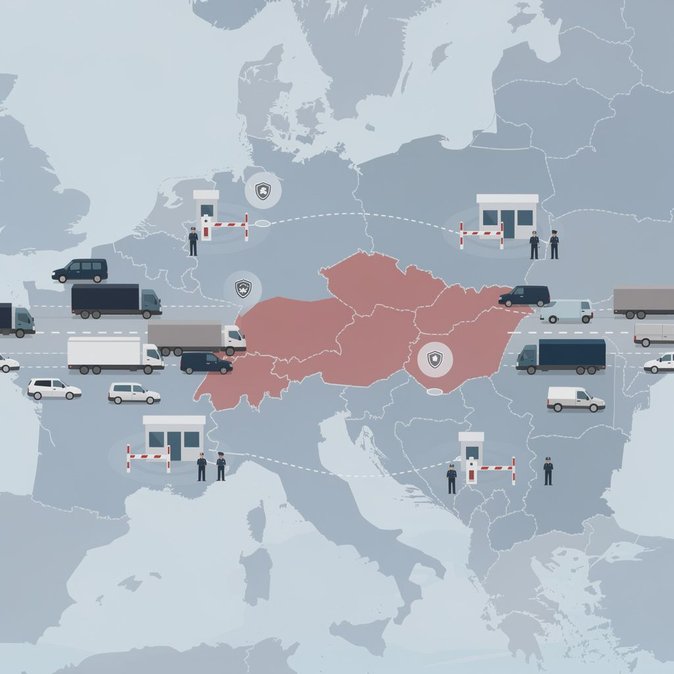
Austria prolongs internal border controls until 15 March 2027 to manage irregular migration pressures