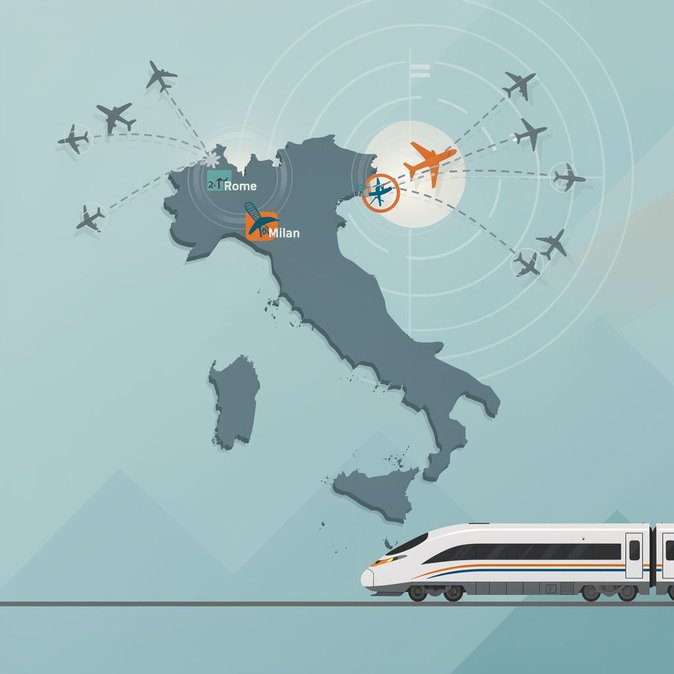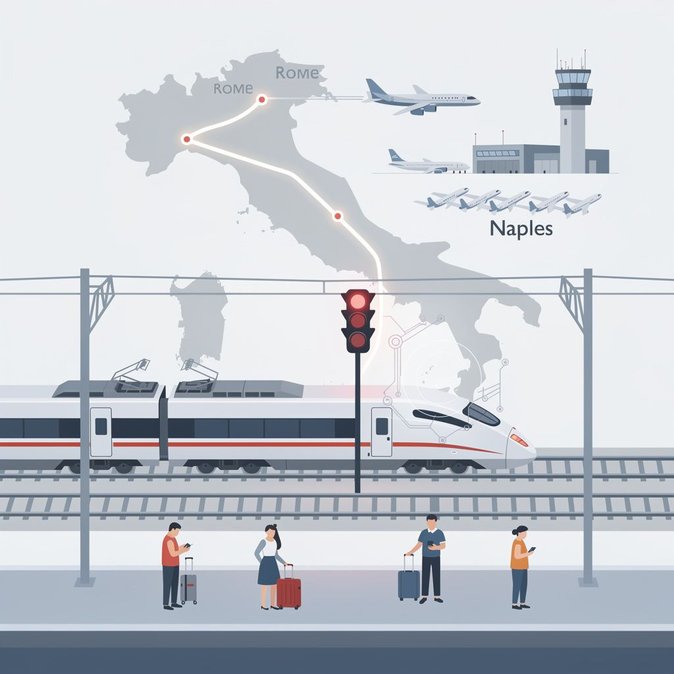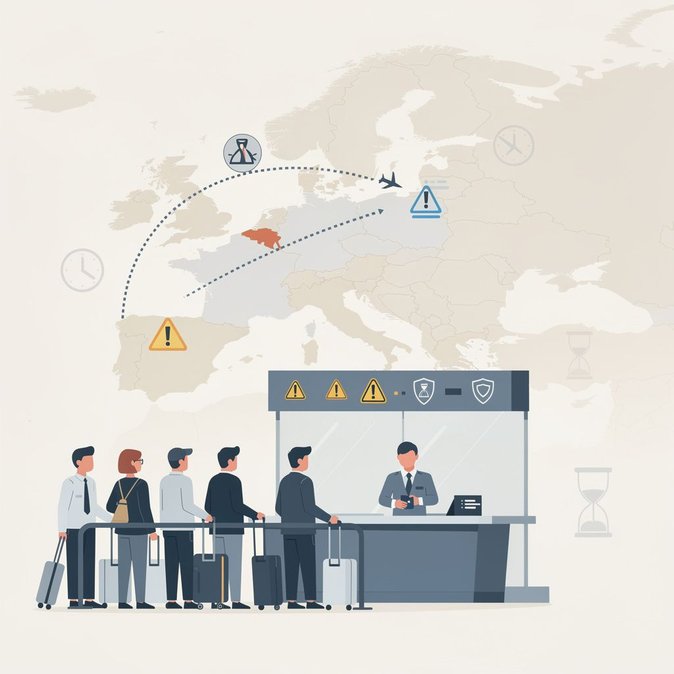
Luxembourg’s Palais de Justice was the stage today, 29 September 2026, for oral arguments in case C-469/25 (Henssen). The Grand Chamber is being asked whether a Schengen state may refuse entry to a third-country national solely on the basis of a ‘public-order’ alert entered by another member state in the Schengen Information System (SIS). Italy has intervened in support of the restrictive reading, arguing that the integrity of the external border depends on mutual trust in SIS data. The case was triggered when German police denied Mr Henssen, a South African businessman en-route to Bologna, entry at Munich because Spain had signalled him as a potential threat under Article 24 SIS. Mr Henssen contests the decision, saying he was never given reasons, evidence, nor any judicial remedy in Spain. Several governments—including France, Spain, the Netherlands and Italy—contend that requiring the admitting state to review the proportionality of another state’s alert would paralyse frontline border checks. For Italy the stakes are practical. Since the re-introduction of temporary border controls with Spain this summer, Italian border police rely heavily on SIS to fast-screen air and sea arrivals. A judgment obliging officers to conduct deeper proportionality assessments could slow queues at Fiumicino, Malpensa and the ferry ports of Genoa and Civitavecchia just as traffic rebounds to pre-pandemic volumes. Corporate mobility managers should monitor the ruling (expected in early 2027). If the Court sides with Mr Henssen, carriers may need to re-route or assist travellers who are refused entry and appeal on-the-spot; multinationals could face last-minute disruptions to meetings and assignments in Italy. In the meantime, companies are advised to double-check whether assignees have ever been subject to SIS alerts and to keep contingency budgets for rerouting costs.