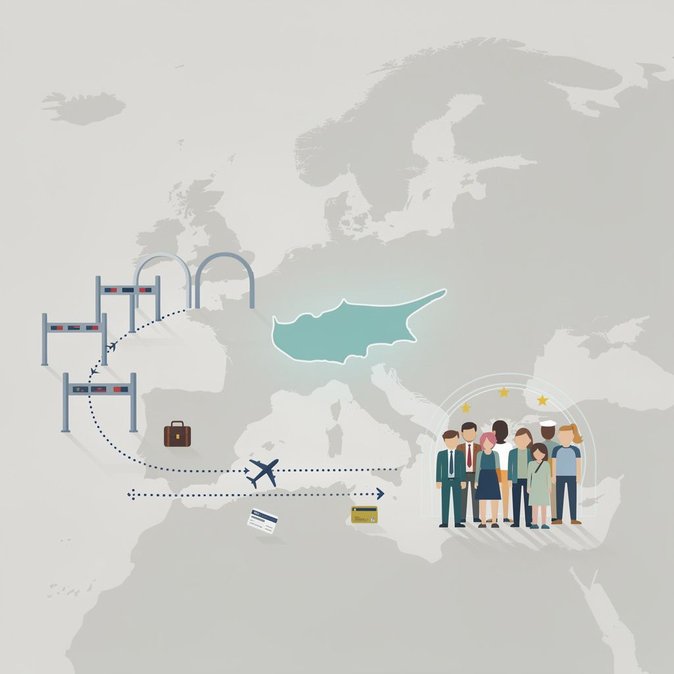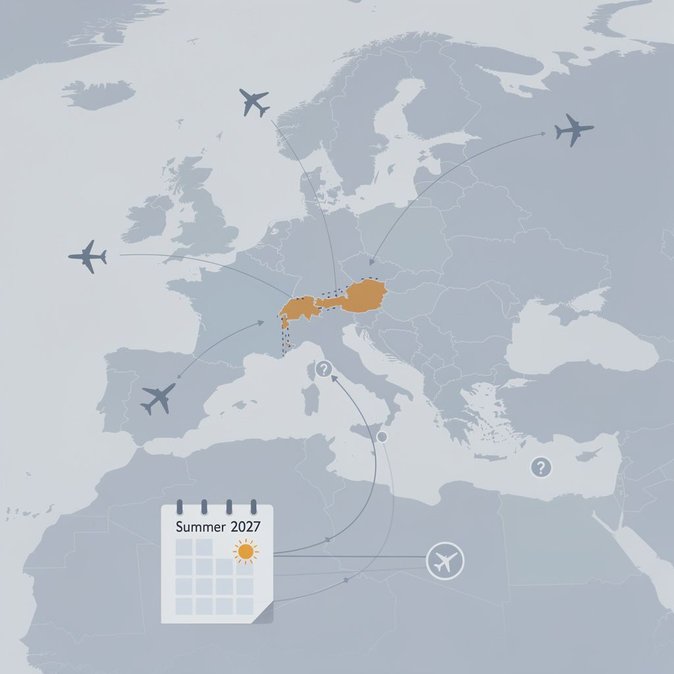
A separate briefing paper circulated at the same Luxembourg meeting—and obtained by Politis—details why Cyprus’s Schengen file did not make it onto the formal agenda for 1–2 October. According to the document, several member states’ security services continue to flag two unresolved issues: (1) how to record exit data for non-EU nationals who enter through Larnaca or Paphos but leave the island via the Turkish-administered north, and (2) how to enforce Schengen rules at the Pergamos and Strovilia crossing points that sit inside the British Sovereign Base Area of Dhekelia. Diplomatic sources said that the United Kingdom, although no longer an EU or Schengen member, would need to commit—by bilateral memorandum—to applying “equivalent levels of control” at those two checkpoints. London is reportedly open to technical talks but wants clarity on cost-sharing for equipment and staffing. Meanwhile, Nicosia is testing geo-fencing technology and QR-coded day-passes to close the data gap at Green Line crossings. The Commission insists the problems are solvable, but—with elections looming in Austria and the Netherlands—interior ministers are reluctant to take political risks on border integrity. A veteran EU diplomat compared the situation to Bulgaria’s path to Schengen: “The last kilometre is always the hardest, even when the paperwork is flawless.” For multinational employers the stalemate means uncertainty persists over travel-policy simplification and VAT-reclaim procedures linked to Schengen membership. HR departments should therefore draft mobility guidelines that accommodate both scenarios—Schengen and non-Schengen—at least through mid-2027. Practically, assignees should continue to expect full passport checks when transiting Cyprus to other EU hubs, and companies should build 60-minute buffers into itineraries until the Council reaches consensus.
Source: Politis