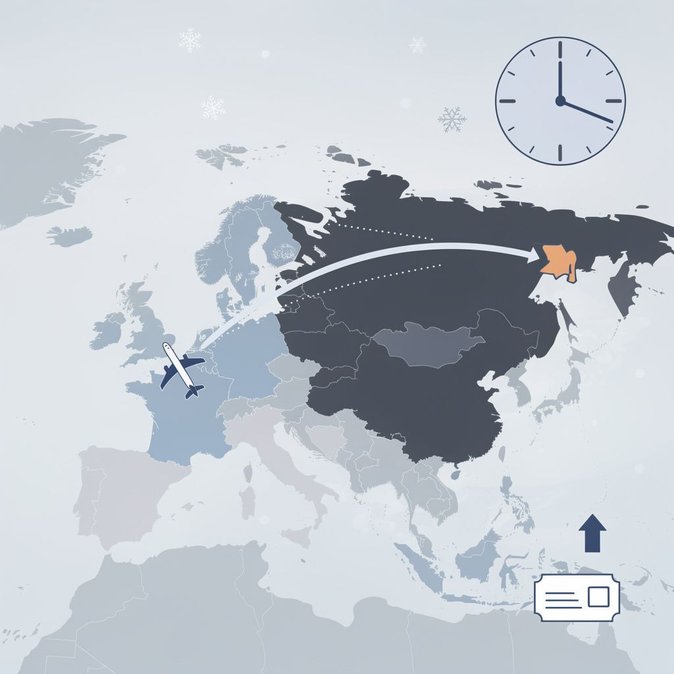
Finnair quietly updated its travel-advisory page on 14 October to restate that none of its Asian services will overfly Russia ‘until further notice’. The notice, first posted in early 2022, was refreshed with a new timestamp as the carrier finalised its winter 2026-27 timetable. The reaffirmation matters because many corporate travel buyers had hoped for a reopening in time for the lucrative Christmas and Lunar-New-Year peaks. Bypassing Russian airspace adds between 1.5 and 4 hours to most Finnair long-haul sectors and reduces daily aircraft utilisation, squeezing capacity. Helsinki–Tokyo, once an efficient nine-hour hop over Siberia, now routes via the Arctic and Alaska and clocks in at 13 hours. The longer routings also require one extra wide-body aircraft to maintain pre-war frequencies—a resource Finnair has redeployed by dropping Dubai and Doha for the season. For mobility managers with staff based in Finland or using Helsinki as a hub, the operational message is clear: build longer block times and higher fares into 2027 travel budgets. Compliance officers should note that the diversion does not affect Finnair’s EU 261 compensation obligations—delays caused by extended routings that are part of the filed schedule are not compensable. Finnish ministries continue to bar the use of Russian airspace by any Finnish-registered carrier, citing security and insurance constraints. Even if diplomatic conditions improved, Finnair’s Chief Commercial Officer has said the airline would need six months’ lead time to re-train crews and renegotiate overflight permissions before resuming Siberian shortcuts. Finnair’s next traffic-plan update is due in March 2027, but analysts believe the detour is ‘priced in’ to the airline’s long-term strategy, with a renewed focus on trans-Arctic cargo and Scandinavian-US services replacing part of the lost Asian transit business.
Source: Finnair Travel Updates