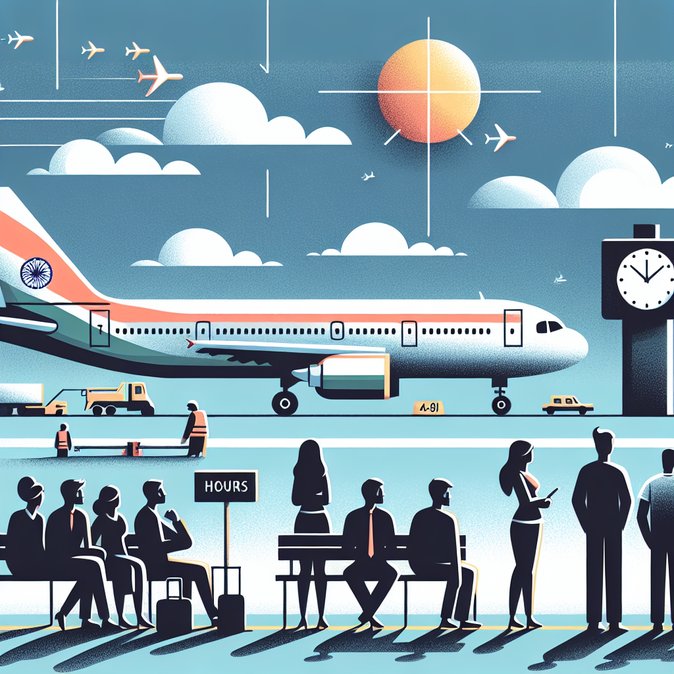
A Chennai-to-Singapore IndiGo service (flight 6E 1025) became a case study in the knock-on effects of visa regulations on 24 February when 200 passengers were kept on board for more than four hours. The Airbus A320 returned to bay after an air-conditioning snag; by the time engineers cleared the aircraft, the cockpit crew would have exceeded India’s new fatigue-duty limits if they proceeded. A replacement crew was available—but because the sector was **international**, the relief pilots first had to complete Singapore immigration and crew visas, adding nearly two hours. Sources told *India Today* that de-boarding passengers was deemed impractical: re-processing them through outbound immigration would have triggered further delays and potential duty-free refunds. Instead, the airline offered refreshments on board while paperwork and crew swaps were finalised. The incident comes weeks after the Directorate-General of Civil Aviation fined IndiGo ₹22.2 crore over January cancellations tied to the same fatigue rules. Travel-management companies say it underscores a growing pain-point: as regulators tighten safety and immigration requirements, even minor technical issues can snowball, stranding business travellers. Risk-mitigation tips for corporates include booking the first flight of the day (spare crew are more likely to be available), checking that staff passports have unused Singapore visa pages, and building slack into same-day meeting schedules. Airlines, meanwhile, face pressure to keep standby crews pre-cleared for key regional destinations.
Source: India Today