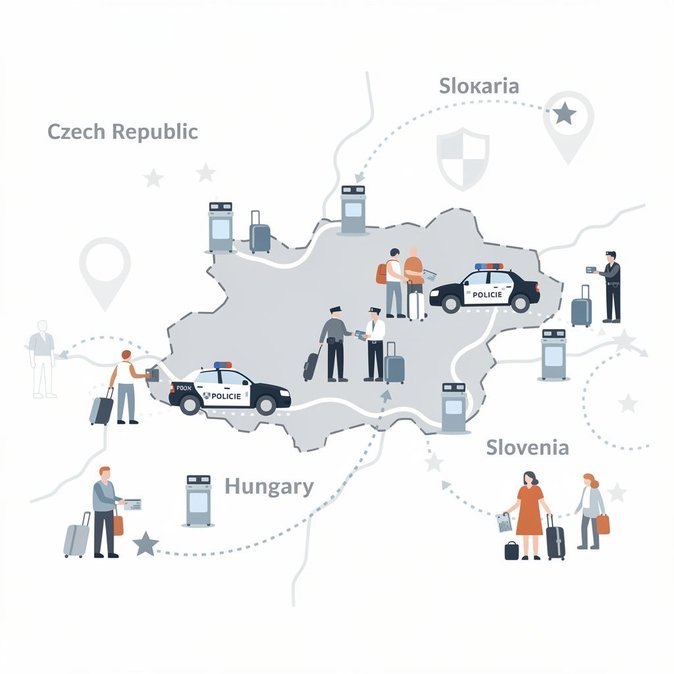
At a press conference on 12 June 2026, Austria’s interior ministry confirmed that the Asylum & Migration Pact Amendment Act (AMPAG) entered into force the same day, transposing nine EU regulations and one directive into national law. The statute tightens detention rules, lowers the fingerprinting age from 14 to six and allows residence-requirement orders during return preparation. A centrepiece is the formal legal basis for conducting border asylum procedures at Vienna International Airport, where dedicated facilities have been expanded. The law also prolongs the freeze on family reunification, introducing a future quota that parliament must approve before 1 January 2027. Until then, approvals remain “de facto at zero,” Interior Minister Karner said. For corporations, the most immediate consequence is the introduction of stricter sanctions in basic welfare for applicants who refuse to cooperate, potentially accelerating negative decisions and return orders. Companies employing asylum seekers on trial permits should monitor cases closely, as benefit cuts may prompt voluntary departures that end work relationships abruptly. The AMPAG further clarifies employers’ obligation to notify labour authorities when an applicant receives or loses a work permit, aligning the Aliens Employment Act with EU data-sharing rules. HR compliance teams must update notification workflows to avoid fines. Legal practitioners note that the law empowers police to impose geographic movement restrictions, which could affect provincial labour distribution programmes. Firms may need to adjust site assignments for asylum-pending workers to stay within allowed districts.