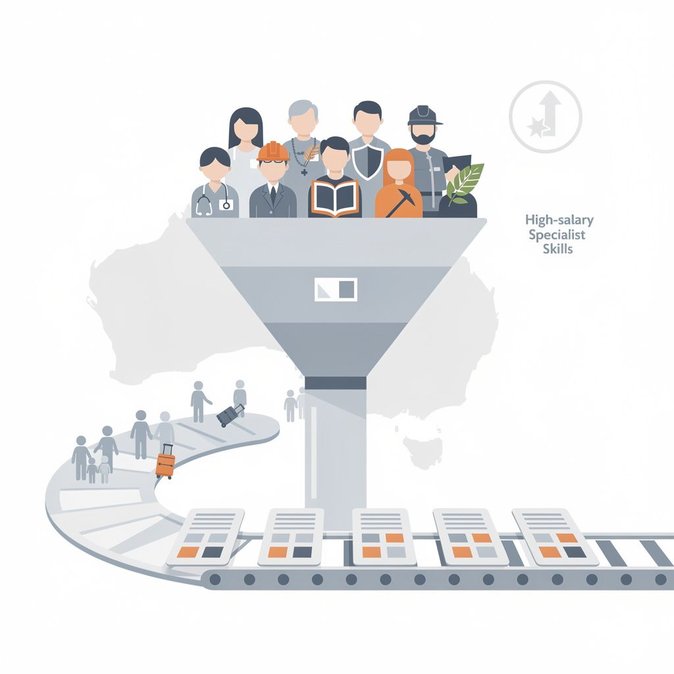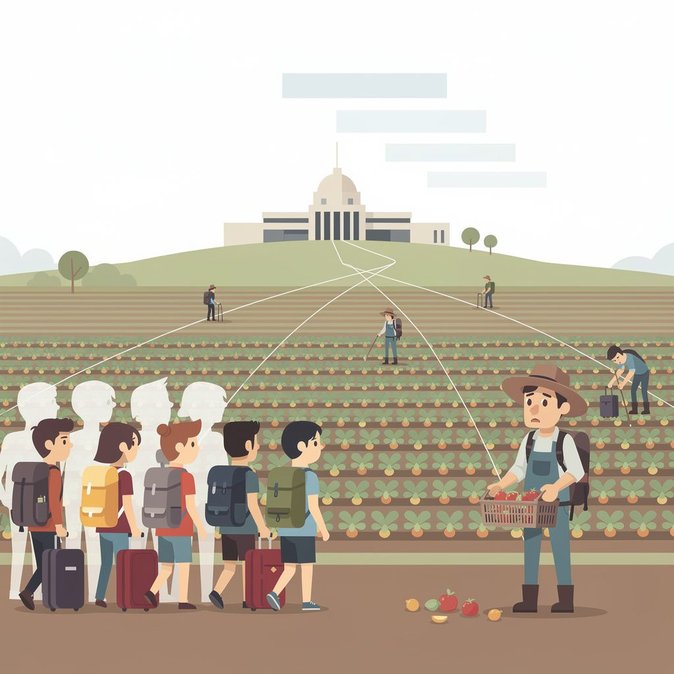
Agricultural groups have reacted sharply to the Albanese Government’s plan to limit the number of Working Holiday Maker (WHM) visa renewals, arguing the move could worsen chronic labour shortages and drive up food prices. Under changes outlined by Home Affairs Minister Tony Burke on 19 September, backpackers will still earn a second-year extension by completing 88 days of regional work, but places will be capped at 45,000—down from 57,000 this year. A third-year option will shrink even more dramatically to just 5,000 slots, compared with 31,000 currently. Farmer representatives told ABC Rural that small producers, who rely heavily on backpackers for harvest peaks, have few alternatives if the Pacific Australia Labour Mobility (PALM) scheme and domestic workforce cannot fill the gap. Larger farms increasingly tap PALM workers on multi-year visas, but onboarding costs and accommodation requirements can be prohibitive for boutique operators. The Government counters that the WHM program was never intended to deliver an unlimited pipeline of low-cost labour and says tighter quotas will curb exploitation and encourage a shift toward skilled migration streams—including newly prioritised agriculture occupations under the Subclass 482 visa. Burke also flagged a ballot system to allocate renewal places, a mechanism already used for Singaporean applicants. For mobility teams in agribusiness, the policy pivot means revisiting workforce mix, budgeting for higher wages, and accelerating sponsorship pathways if they wish to retain experienced backpackers beyond their first year. Labour-hire firms predict immediate upward pressure on seasonal-worker rates for the 2026-27 harvest unless substitute programs scale quickly.
Source: ABC News