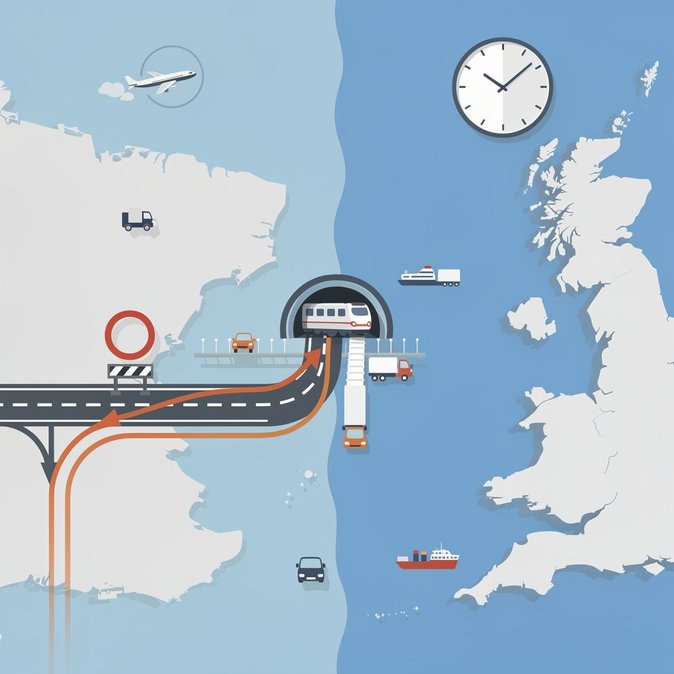
French airline staff have fired the starting gun on what could become the most disruptive industrial action of the autumn travel season. An alliance of unions representing pilots and cabin crew filed a strike notice on 21 September that covers the first five days of the busy Toussaint school holidays (Saturday 17 to Wednesday 21 October). The unions are protesting planned pension-reform rules that would sharply reduce the earnings of workers who draw a retirement pension while continuing to fly – a system widely used by senior air-crew in France. If the work-stoppage goes ahead, every airline that operates flights with crews employed under French labour law could be hit – not only Air France and its subsidiaries but also low-cost carriers that base aircraft and crew in France. Airlines will not know their exact level of staffing until individual strike declarations are filed 48 hours before each day of action, but carriers are already drawing up contingency schedules and warning corporate clients to build extra flexibility into travel plans. Business-travel analysts at MKG Consulting estimate that up to 1 200 departures a day could be at risk across the five-day period, with knock-on effects elsewhere in Europe. Under EU passenger-rights Regulation 261, carriers must offer refunds or re-routing, but last-minute cancellations can still derail tight project timelines and expatriate rotations. Human-resources teams with posted staff in France are being advised to remind employees of alternative rail options and to monitor airline apps for rebooking instructions. Travel-management companies say premium cabin inventory is already tightening on long-haul routes into Paris for the relevant dates. The French government has so far declined to invoke minimum-service guarantees, but Transport Minister Clément Beaune told journalists he “will not hesitate” to do so if passenger safety or critical freight is jeopardised. Union leaders insist they remain open to dialogue, yet they argue the current draft pension rules would amount to a pay cut of up to 50 % for pilots who retire early and then return to the cockpit before age 67. For global-mobility managers the key takeaway is timing: large corporate movements scheduled for the week of 14–21 October should be reviewed now. Companies with rotational shift patterns – especially in energy, defence and consulting – may wish to bring travellers in earlier or delay non-essential moves until after the strike window. In the longer term, the dispute underscores how France’s wider pension reforms can spill over into the travel ecosystem and should be monitored alongside more familiar aviation-labour triggers such as wage rounds and ATC staffing levels.
Source: The Local France