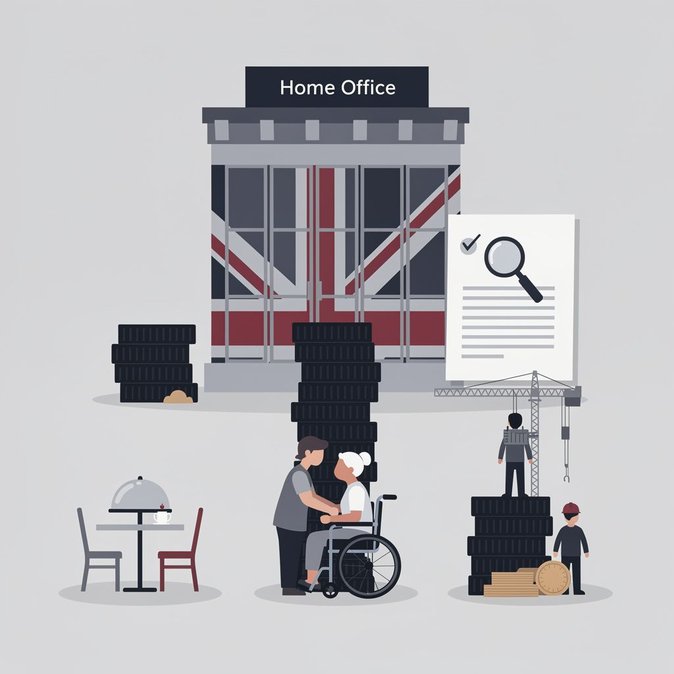
The Department for Work & Pensions (DWP) on 23 September unveiled Britain’s first ‘Workplace Health System’, a blueprint aimed at cutting the £212 billion annual cost of sickness absence. The report, authored by former John Lewis chair Sir Charlie Mayfield, highlights that 300,000 people with a health condition leave work each year—often permanently—after spells of longer than six weeks off. Although framed as a domestic productivity drive, the plan carries implications for international mobility programmes. Among its proposals are statutory ‘early intervention’ duties on employers, mandatory digital fit-note reporting and a requirement to provide occupational-health support to all staff, including temporary assignees and contractors. Global companies seconding staff to the UK could therefore face higher onboarding costs and the need to align overseas private-medical schemes with forthcoming British accreditation standards. DWP will open a public consultation in October, with legislation promised in the 2027 Queen’s Speech. Multinationals should consider submitting evidence, particularly on the complexities of providing equivalent support to short-term business travellers who retain home-country social-security coverage. Tax advisers also note the interaction with the new Health & Social Care Levy offset, which from April 2027 will allow firms to reclaim up to 20 % of verified workplace-health spend. That could partly neutralise the additional cost, but only if expenditure meets very specific HMRC criteria. For mobility managers, the headline is clear: duty-of-care expectations in the UK are rising. Failure to provide adequate health support may soon carry not just reputational risk but statutory penalties—mirroring trends already seen in posted-worker regimes across the EU.
Source: Department for Work & Pensions