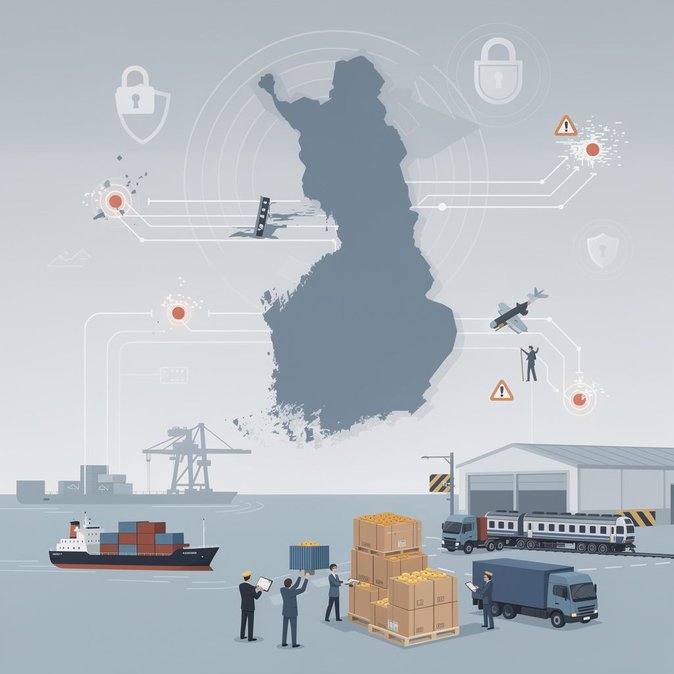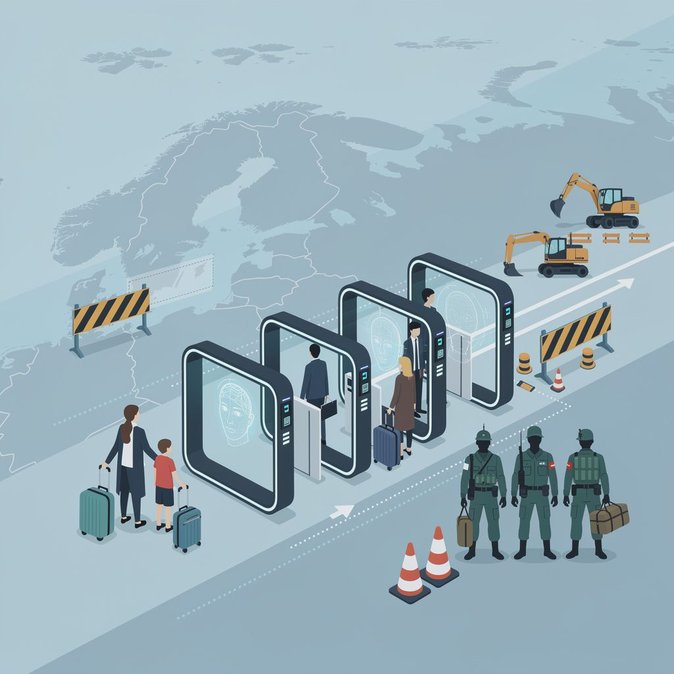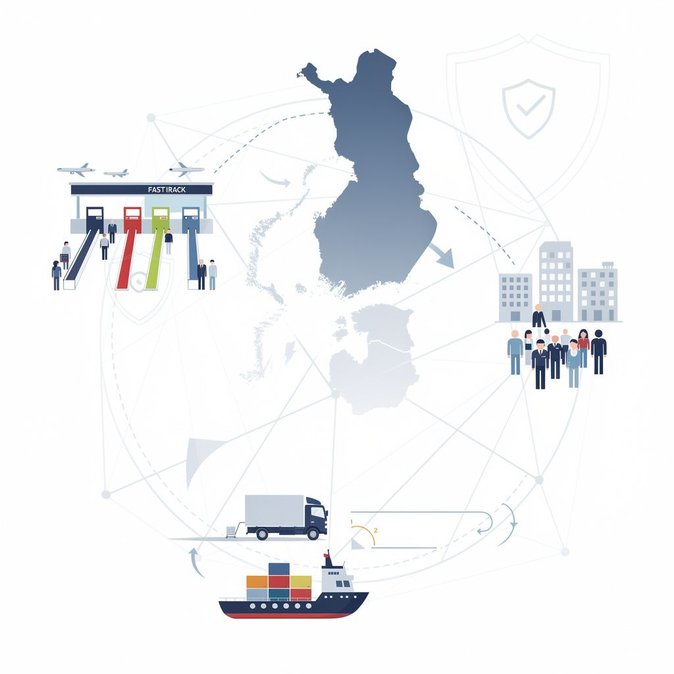
Finland’s National Emergency Supply Agency (NESA) has kicked off its largest whole-of-society crisis drill, TIETO26, which will culminate in a 72-hour live exercise from 29 September to 1 October. More than 180 companies and public bodies—ranging from retailers and logistics firms to the Finnish Defence Forces and the Border Guard—will practise keeping the country’s food supply chain running under a simulated hybrid and military threat scenario. The tabletop phase began in March and has already exposed pain-points in cross-border data sharing, last-mile trucking capacity and the ability of ports and airports to prioritise humanitarian and commercial freight. Although the drill focuses on food, the global-mobility community is watching closely. Previous NESA exercises have driven regulatory tweaks in trucking cabotage rules and emergency entry permits for foreign technicians. This year, immigration and labour authorities are embedded in the scenario to test expedited work-permit waivers should critical foreign staff need to be flown in at short notice. Companies with expatriate populations in Finland are being asked to check emergency contact trees and confirm that travel-risk insurance covers “national emergency” clauses. For mobility managers, the practical implications are two-fold. First, the authorities are trialling a new “Green Lane” at Helsinki Airport that would reserve border-control booths for essential personnel during crises; observers from Finavia and several multinationals will feed back on queue-time data. Second, NESA is using the exercise to evaluate whether the current Schengen derogation process—for example, the power to temporarily reinstate border checks—can be more predictable for business travellers. Finland’s hybrid-threat exposure has risen since Russia’s invasion of Ukraine and its own accession to NATO. The exercise comes against a backdrop of partial closures on the eastern land border and the EU-wide roll-out of the Entry/Exit System (EES). By rehearsing coordinated responses now, Helsinki hopes to avoid the ad-hoc travel restrictions that crippled corporate mobility during the pandemic. A public after-action report is promised for late October; mobility teams should review it for hints of forthcoming legislative changes to the Aliens Act and emergency labour provisions.