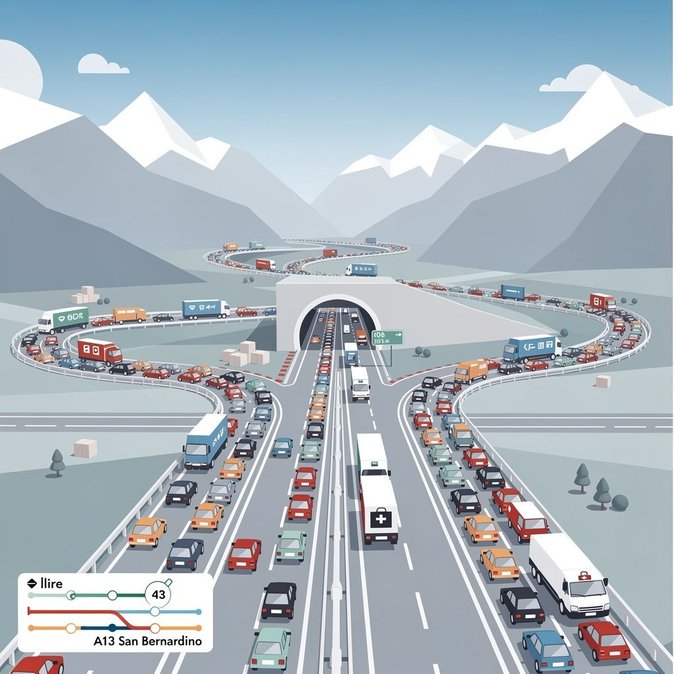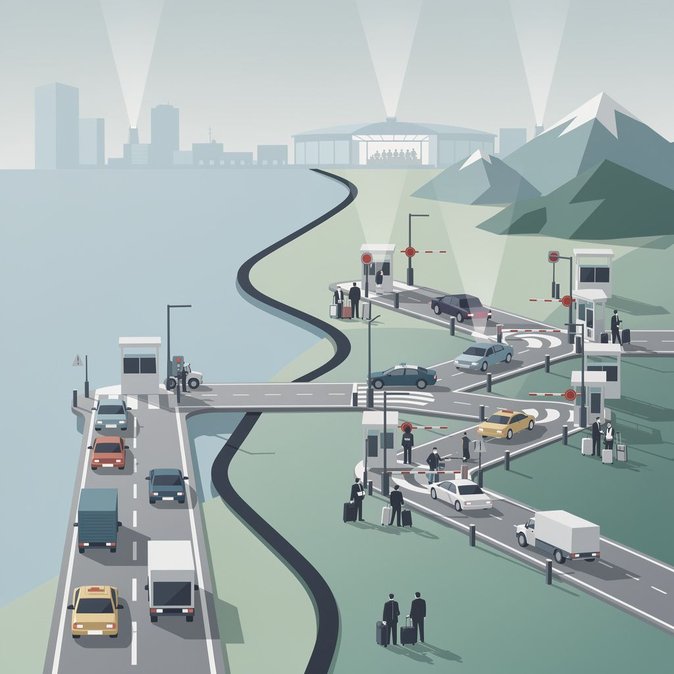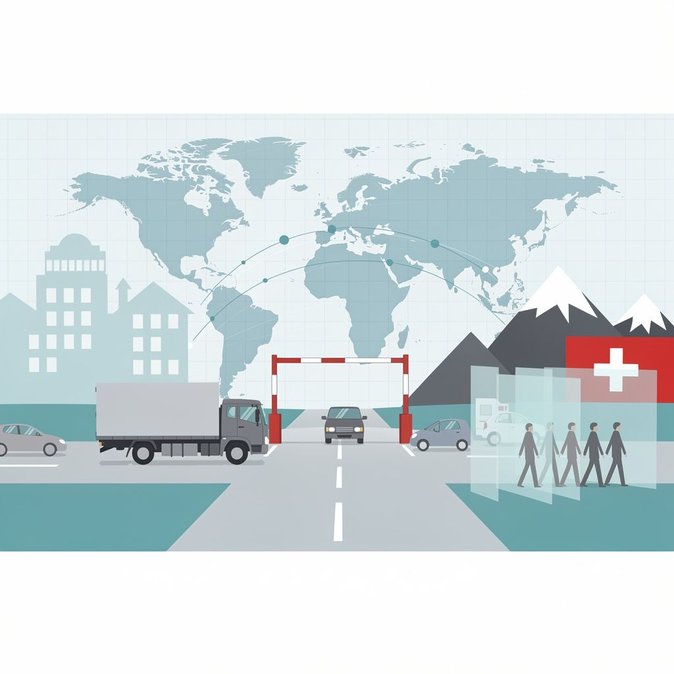
Speaking at the Munich Migration Meeting on the evening of 26 September 2026, Federal Councillor Beat Jans stressed that Switzerland intends to intensify joint operations with neighbouring states and EU partners against migrant-smuggling rings. Ministers from 18 European countries gathered in Bavaria to take stock of the EU Pact on Migration and Asylum and to unblock long-standing bottlenecks around Dublin transfers and return procedures. For Bern, the credibility of the Schengen area as a space of freedom and security is a strategic priority. Switzerland already carries out regular mixed patrols with Italy and France, and the Federal Office of Customs and Border Security (BAZG) seconds liaison officers to Europol’s European Migrant Smuggling Centre. Jans announced that these deployments will be expanded in 2027 and that Switzerland will co-finance a new intelligence cell focused on encrypted social-media channels used by smugglers. Business stakeholders welcomed the announcement. Logistics firms that rely on predictable transit through the Alpine corridors say that ad-hoc national controls—often re-introduced when smuggling pressure peaks—delay shipments by up to 12 hours and cost an estimated CHF 180 million per year. "A coordinated European approach is the only way to keep borders open for legitimate trade while cracking down on criminal networks," said Nadine Hoffmann, Head of Customs at Kühne + Nagel. Legal experts note that Switzerland’s room for unilateral action is limited. Systematic controls, as recently proposed by the popular "Grenzschutzinitiative", would endanger Schengen association and, according to a government impact study, cost up to CHF 16 billion annually in lost tourism and higher trade friction. By doubling down on information-sharing and joint investigations instead, Bern hopes to show that security and open borders can be reconciled. Practically, companies should expect more targeted checks of high-risk freight and passenger flows—especially on the north-south transit axis—rather than blanket inspections. Employers moving staff across borders are advised to keep travel manifests up to date and to communicate itineraries early to customs brokers, as advance passenger information (API) requests are likely to increase once the Passenger Name Record (PNR) system goes live on 1 November 2026.
Source: SWI swissinfo.ch