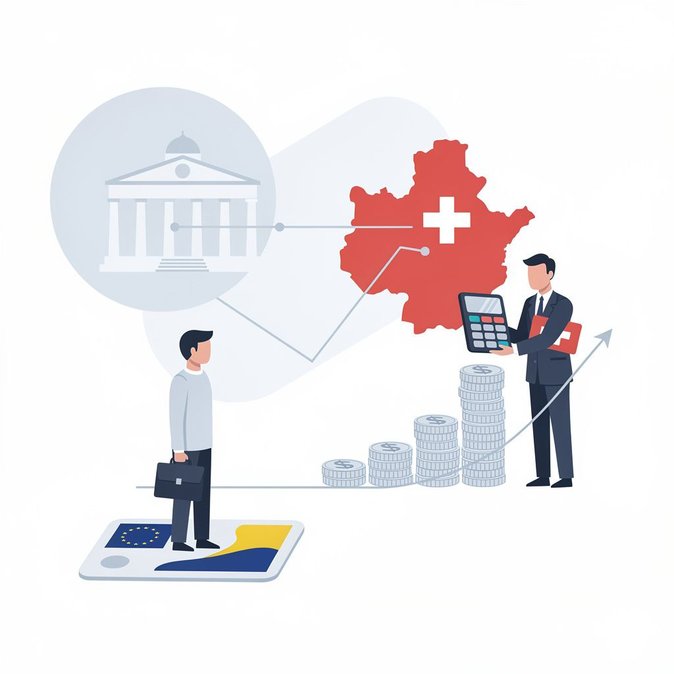
Switzerland’s Council of States (upper chamber) surprised observers in Bern on 29 September by approving an “immigration tax” that would be levied on European Union citizens if a future safeguard clause on free movement is triggered. The proposal was added during the chamber’s marathon debate on the third package of bilateral accords with Brussels, which aims to modernise Switzerland’s participation in the EU single market. Under the scheme, EU nationals who take up employment in Switzerland would pay a one-off levy of at least CHF 4,000, while adult family members arriving via reunification channels would pay CHF 2,000. The measure would also apply to third-country nationals once the safeguard clause – a mechanism that allows Bern to slow inflows if “serious economic or social difficulties” arise – is activated. Revenue would be redistributed to the resident population, though operational details remain vague. Centre-right sponsors argue the tax offers a market-friendly alternative to last June’s rejected populist initiative to cap Switzerland’s population at ten million. Committee rapporteur Heidi Z’graggen said the levy “creates the right incentives to tap domestic labour potential first”. Critics from the left and parts of the business community counter that it is bureaucratic, anti-liberal and may undermine the attractiveness of Switzerland for skilled talent precisely when companies face record shortages. For global mobility managers, the proposal – which must still pass the National Council and survive any referendum – adds a layer of cost uncertainty to future EU assignments. HR teams should begin modelling worst-case scenarios for 2028 onward, when the safeguard clause could conceivably be triggered, and consider contract clauses that clarify who absorbs the tax. Corporations may also need to update cost-projection tools for cross-border commuters, posted workers and permanent transfers. Next steps include a detailed ordinance from the Federal Council on collection, exemptions and redistribution, plus negotiations with Brussels, which could view the tax as an obstacle to free movement. Until the legislative process concludes, companies should monitor parliamentary sessions and be ready to brief assignees on potential financial implications of taking up residence in Switzerland.
Source: SWI swissinfo.ch
How VisaHQ can help
VisaHQ simplifies the visa application process for individuals and businesses. Check current travel requirements, prepare the required documents and manage your application online through the VisaHQ Switzerland portal.More From Switzerland
View all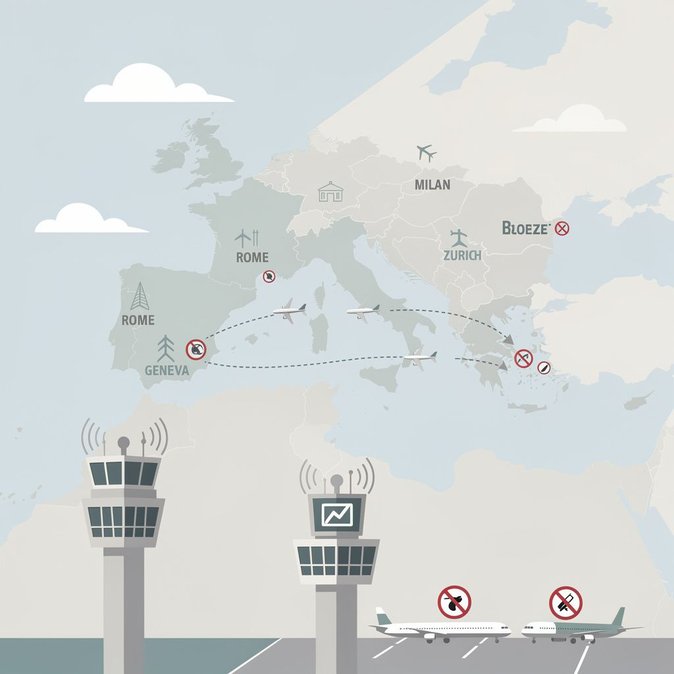
Italian air-traffic-control strike today disrupts flights to and from Zurich and Geneva

Federal Council commits extra CHF 5.4 million a year for migrant integration from 2028