After more than five hours of sometimes heated debate on 29 September 2026, the Council of States (Swiss Senate) voted 29 to 15 to proceed with detailed deliberations on the government’s long-awaited EU treaty package—popularly called “Bilaterals III”. The green light is politically significant: the Senate is the first chamber to endorse the overall thrust of the 18 new and updated agreements that Bern and Brussels initialled last March. At its core, the package modernises Switzerland’s participation in the EU single market in five mobility-relevant areas: free movement of persons (FMP), land and air transport, mutual recognition of industrial standards, electricity trade and food safety. A new “horizontal agreement” would oblige Switzerland to adopt future EU law dynamically and accept a joint dispute-settlement mechanism. In the mobility sphere, this means streamlined residence and work rights for EU/EFTA nationals in Switzerland, automatic updates to Schengen border-management rules (including the digital Entry/Exit System coming in 2027) and closer alignment on social-security coordination for cross-border commuters. The business community has lobbied hard for approval, warning that failure would erode contingency measures that currently grant Swiss companies virtually tariff-free access to the EU labour pool and transport lanes. Multinationals such as Roche, ABB and Nestlé employ tens of thousands of EU citizens in Switzerland; HR directors fear that without updated accords work-permit processing times would lengthen and mutual diploma recognition could lapse, hampering cross-border assignments. Tourism and air-cargo operators also view the aviation chapter—which keeps Swiss carriers inside the EU’s Open Skies regime—as critical for route planning. Opponents, led by the right-wing Swiss People’s Party (SVP), argued the treaties amount to a “foreign judges” clause and would trigger “uncontrolled immigration”. They want tighter quotas on EU workers and the right to deviate from EU wage-protection rules. Several centrist senators nonetheless sided with the majority after Foreign Minister Ignazio Cassis assured them that safeguard clauses, including re-negotiable flanking measures on salaries and service-sector access, remain in place. Procedurally, the Senate will now examine each agreement article by article; a final vote is expected by 1 October. The dossier then moves to the National Council. Should both chambers approve, a referendum is almost certain in mid-2027. For global-mobility managers, today’s vote signals short-term continuity—and the prospect of even smoother intra-European staff moves once Bilaterals III enters into force.
Source: SWI swissinfo.ch
How VisaHQ can help
VisaHQ simplifies the visa application process for individuals and businesses. Check current travel requirements, prepare the required documents and manage your application online through the VisaHQ Switzerland portal.More From Switzerland
View all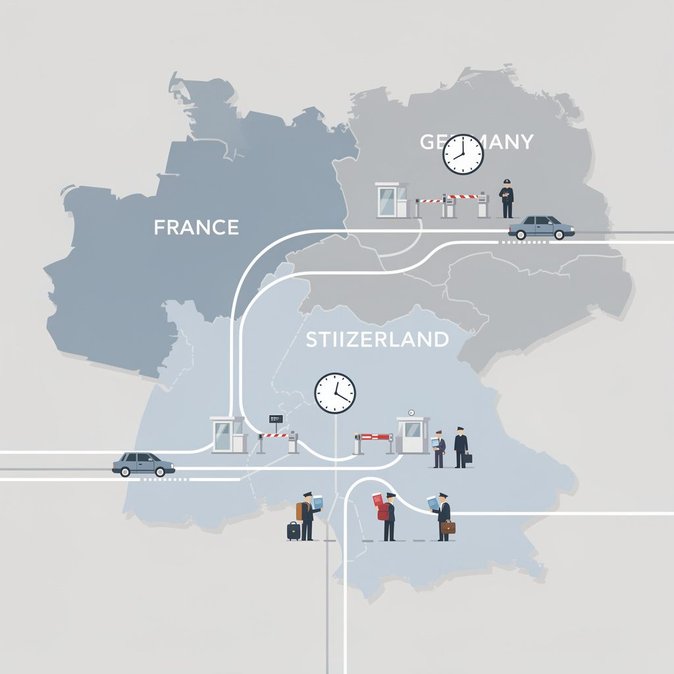
France and Germany keep temporary Schengen border checks in place, extending spot controls on Swiss routes until at least 31 October

Gotthard road tunnel closes nightly 28–30 September, triggering long queues on key Swiss-Italian freight and holiday corridor