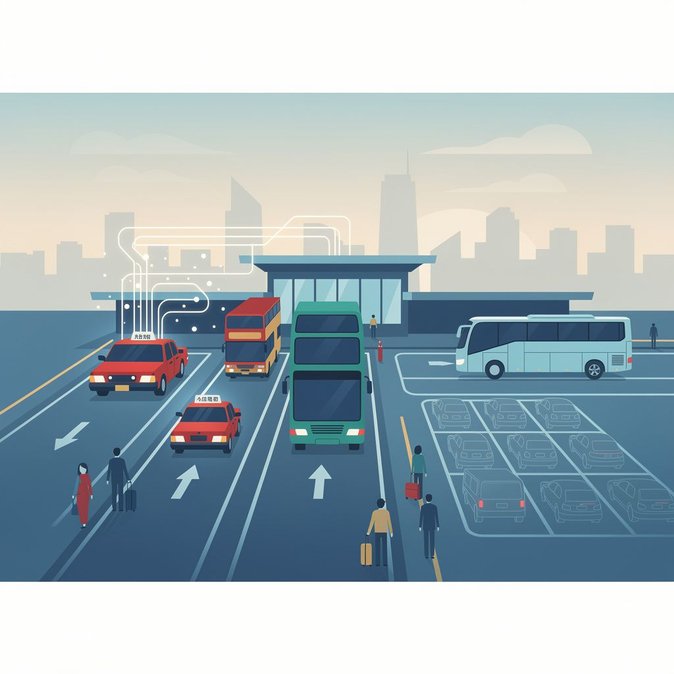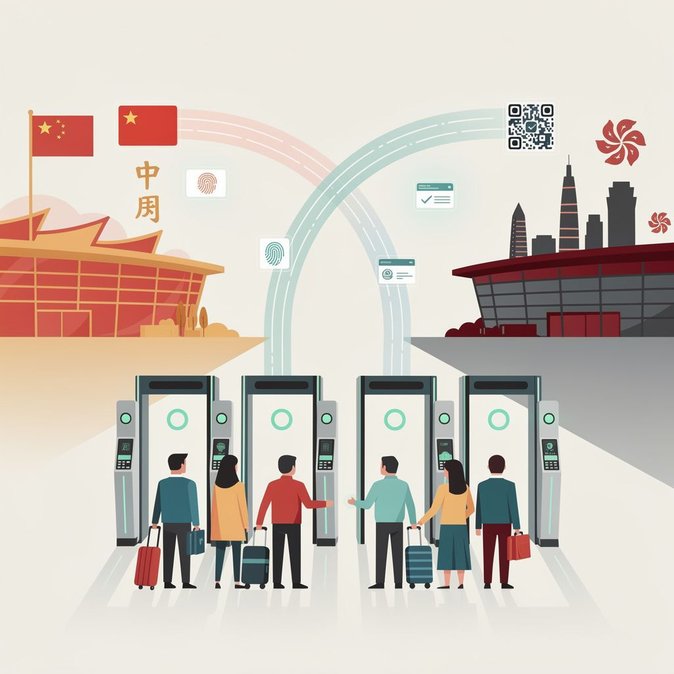
Less than a week before the revamped Huanggang Port reopens, Hong Kong officials have confirmed that both Hong Kong and mainland Chinese travellers will need to file separate registrations with the two immigration authorities in order to access the port’s automated “joint-clearance” channels. Speaking on 6 October, Assistant Director of Immigration Jacky Wong Ki told reporters that staff will be stationed on site to walk first-time users through the dual-registration process, which he said takes only “a few seconds” once personal data are captured. The clarification follows concerns from logistic companies that drivers who had registered in Hong Kong might be turned back on the Shenzhen side, causing cargo delays. Under the final arrangement, Hong Kong residents must first enrol through ImmD’s “HK e-Channel” platform, while Mainland residents need to complete a mirror procedure with the National Immigration Administration. The two databases then synchronise biometrics so that a single facial scan can satisfy exit and entry checks. Transport scholars note that joint-clearance breaks with the traditional “two-stop” model and brings the checkpoint into line with cross-border high-speed-rail and bridge operations, reinforcing the Greater Bay Area’s “one-hour living circle”. Once fully operational, the port is projected to handle 100,000 traveller movements a day – double the throughput of the existing land crossings at Man Kam To and Sha Tau Kok combined. Businesses that regularly rotate technical teams between Hong Kong and Shenzhen should compile staff lists early and ensure employees register on both apps to avoid first-day bottlenecks. HR stakeholders also need to brief expatriates that China’s real-name registration laws apply, meaning passports must match Mainland Travel Permits exactly. Immigration consultants warn that false declarations could lead to travel-ban stamps under Mainland exit-entry regulations. The port, rebuilt at a cost of RMB 10.7 billion, is slated to open on 12 October. Authorities will run a “soft-launch” week with backup manual counters before shifting all buses and private vehicles to the new facility, allowing demolition of the old Lok Ma Chau passenger halls on the Shenzhen side.
Source: South China Morning Post