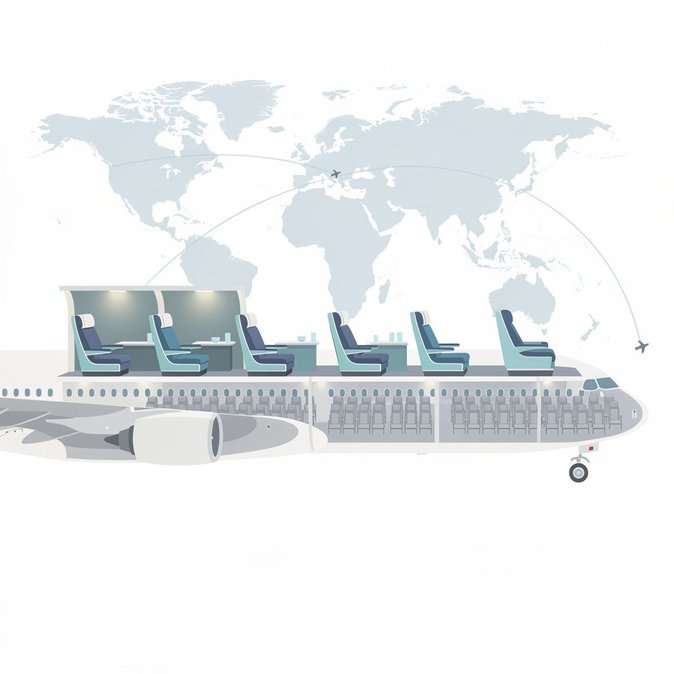
British Airways has unveiled a radical refit of its Airbus A380 fleet that removes 88 economy seats to make room for 106 business-class suites and an expanded premium-economy cabin. Announced on 7 October, the move reflects a wider industry pivot toward higher-yield passengers—one already echoed by Qantas, Emirates and Air New Zealand on routes to and from Australia. The UK carrier’s superjumbo, popular on Sydney–Singapore–London services pre-pandemic, will feature sliding-door Club Suite seats across the entire upper deck, plus upgraded galleys aimed at faster meal service on ultra-long-haul sectors. Premium economy increases to 84 seats, while first class shrinks slightly to 12 suites. For Australian corporate-travel buyers the message is clear: premium inventory is growing even as total seat counts fall. That could keep fares elevated through 2027, particularly on kangaroo-route legs where aircraft deliveries are delayed and fuel prices remain volatile. Travel-management companies are advising clients to lock in negotiated premium-cabin allotments early and review travel-policy thresholds for long-haul economy versus premium economy. British Airways is not alone. Qantas’ forthcoming A321XLR narrow-bodies will debut lie-flat beds on some domestic trans-continent and short-haul international flights, while Emirates is pumping billions into retrofitting A380s and 777s with Premium Economy—capacity that will exceed 4,000 seats a week into Australia by late 2026. Air New Zealand’s new 787-9s, meanwhile, add extra Business Premier and Premium Economy seats across their trans-Tasman network. The combined effect is a reshaping of long-haul cabins that favours corporate travellers and high-net-worth holiday-makers but could reduce last-minute economy availability—yet another variable for mobility managers to watch in 2027 budgeting.
Source: Travel Weekly (AU)