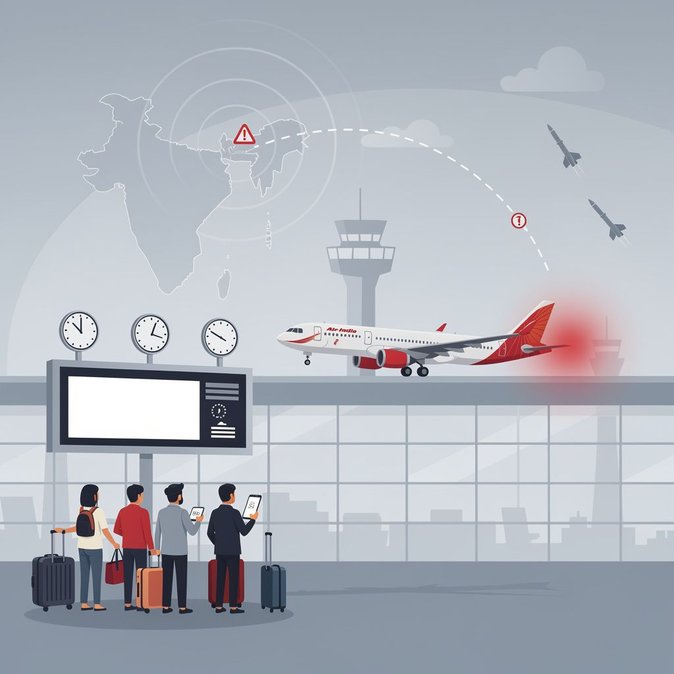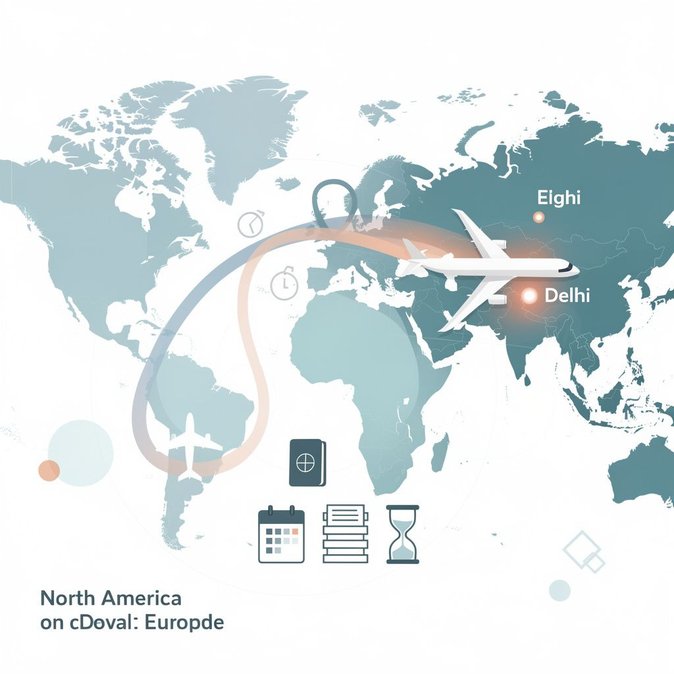
According to a Times of India analysis published late on 7 October 2026, Indira Gandhi International Airport (DEL) has seen a marked change in passenger flows this quarter. Stricter US interview-waiver caps and lengthening appointment queues – the average wait in Delhi rose from 80 to 120 days in September – have pushed many leisure and VFR (visiting-friends-and-relatives) travellers towards Europe and Southeast Asia. Simultaneously, Middle-East airspace disruptions caused by the Israel–Gaza crisis are forcing trans-Atlantic flights to route south of Sinai and over the Arabian Sea, adding 30-45 minutes to block times. Air India cut one of its daily San Francisco rotations to free aircraft hours, while United has trimmed capacity on Newark-Delhi, citing fuel-burn and crew-duty constraints. The net effect is a 6 % year-on-year drop in North-America-bound seat capacity from Delhi for September-October, offset by a 1 % rise to Europe as Lufthansa, British Airways and SWISS up-gauge aircraft. Travel-management firms report that corporate clients are re-routing some US meetings to London or Frankfurt hubs to avoid visa uncertainty and flight-time creep. For mobility planners the message is two-fold: build extra lead time into US L-1 and B-1/B-2 filings and prepare contingency routings that keep mission-critical staff within Schengen or UK corridors. Airlines are likely to tweak schedules again if Houthi missile activity continues to threaten Gulf overflights. Cost models should factor in higher fuel surcharges and potential overnight layovers.
Source: The Times of India