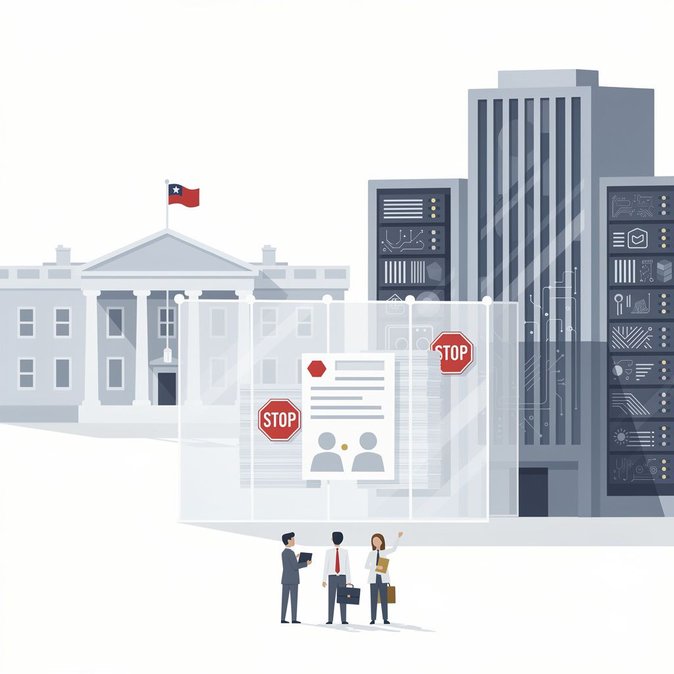
In a surprise news conference on October 8, Vice-President J.D. Vance announced that the Department of Labor has suspended Microsoft, Adobe, Cognizant, Infosys, Tata Consultancy Services, Wipro, HCL Technologies and Capgemini from filing or processing Permanent Labor Certification (PERM) applications—an essential prerequisite for most employment-based green cards. Vance alleged that the companies replaced laid-off U.S. workers with H-1B employees and manipulated prevailing-wage data, calling the move “the largest anti-fraud action ever taken against the PERM system.” While headlines sparked panic among foreign workers, the administration clarified that the action does not constitute an H-1B visa ban. Existing visas and work authorisations remain valid, and the suspension applies only to PERM filings submitted by, or on behalf of, the eight named employers. Nevertheless, thousands of sponsored employees whose green-card cases are mid-process now face indefinite delays, forcing many to rely on serial H-1B extensions or consider inter-company transfers. The Department of Labor’s Inspector General simultaneously unveiled a multi-agency “visa-fraud strike team” and a forthcoming “most-wanted” list of immigration fugitives linked to $500 million in alleged benefits fraud. Universities were also put on notice: nine prestigious institutions—including Harvard, Yale and Stanford—will be investigated over alleged misuse of J-1 exchange-visitor visas for post-doctoral researchers. For global mobility managers the immediate task is triage. PERM cases caught in the suspension cannot advance to I-140 immigrant-petition filing, jeopardising workers approaching their six-year H-1B limit. Companies may need to explore L-1 intra-company transfers, E-2 treaty visas or assignments to Canadian or Mexican affiliates under the USMCA’s TN route as stop-gap measures. Employers not named in the order should still expect heightened scrutiny of prevailing-wage determinations, recruitment evidence and salary documentation. Politically, the crackdown signals the Trump administration’s pivot from rule-making to enforcement as it heads into the 2026 mid-term cycle. Businesses that rely on high-skilled immigration must assume that large-scale audit sweeps—and headline-grabbing suspensions—could become the new normal, making proactive compliance reviews essential.
Source: Associated Press