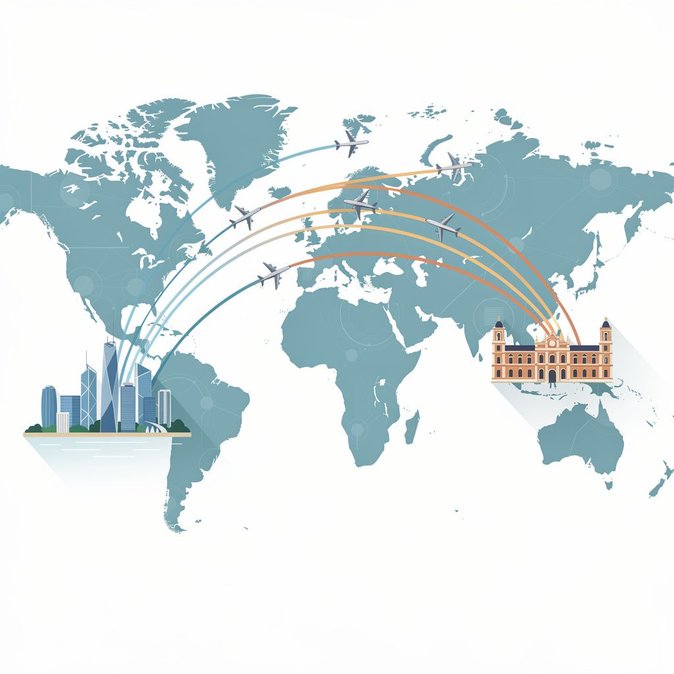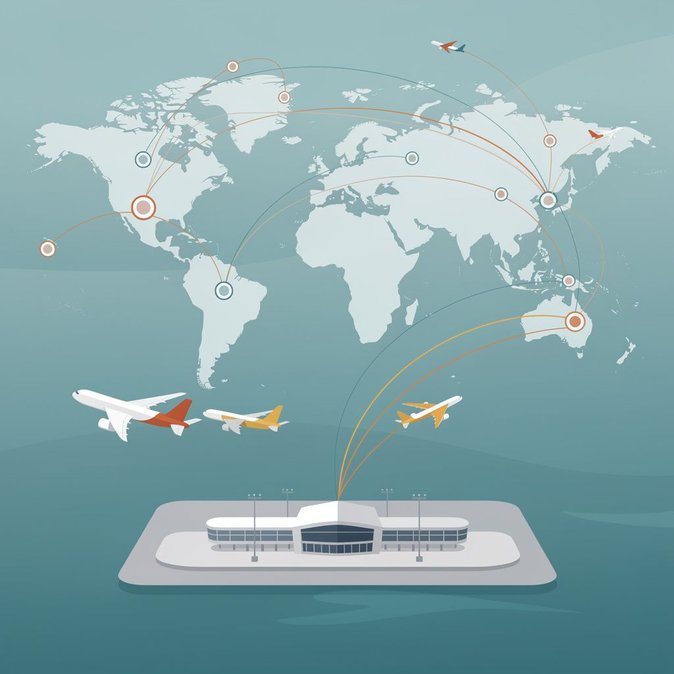
Unveiling Hong Kong’s first Five-Year Plan on 16 September, Chief Executive John Lee laid out an ambitious aviation agenda: expand HKIA’s network from today’s 220 destinations to 240 by the end of the decade. Central to the push is negotiating at least ten new bilateral air-services agreements each year between 2026 and 2030, 40 per cent of them with Belt-and-Road economies. Talks are already under way to launch direct flights to Uzbekistan—a first for Central Asia. The blueprint comes as HKIA reported passenger numbers rising 10 per cent year-on-year in the first eight months of 2026, hitting 3.6 million movements in August alone (including its low-cost arm HK Express). Cargo, by contrast, has dipped for a second consecutive month, underscoring the need to diversify route portfolios and tap growth markets. For corporates, more city-pairs mean easier deployment of staff and new options for cargo-bellied freight. Lee signalled incentives for airlines to open routes to South America, Africa and the Middle East—regions where Hong Kong firms are chasing Belt-and-Road construction and green-energy projects. The Airport Authority will fast-track slot allocations for carriers committing wide-body capacity and code-sharing with GBA partners. The plan dovetails with the airport’s Three-Runway System, slated for full commissioning by end-2027. Analysts at CAPA Centre for Aviation say hitting 240 destinations would restore Hong Kong to its pre-pandemic ranking among the world’s top five most connected hubs, boosting the city’s attractiveness for regional headquarters. Travel-programme managers should monitor air-services talks, as new non-stop options can slash door-to-door times and lower carbon footprints compared with hub-and-spoke routings via the Mainland or the Gulf.
Source: South China Morning Post