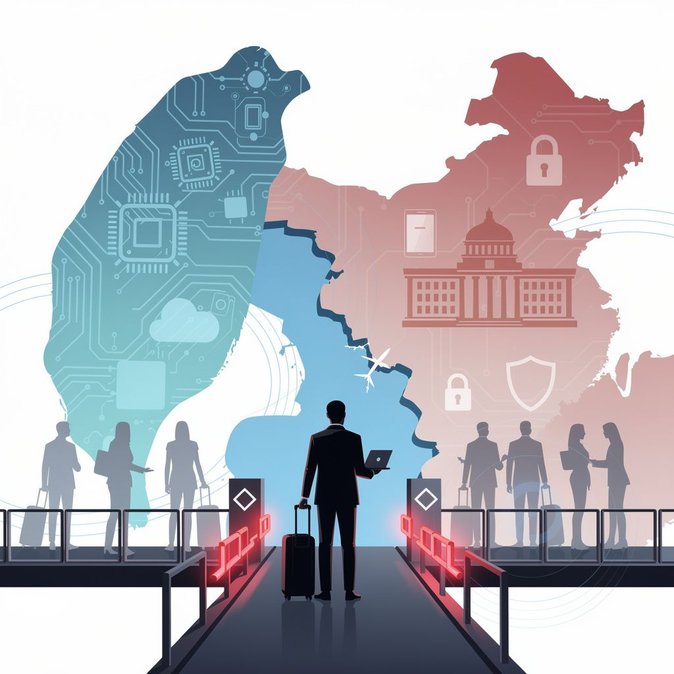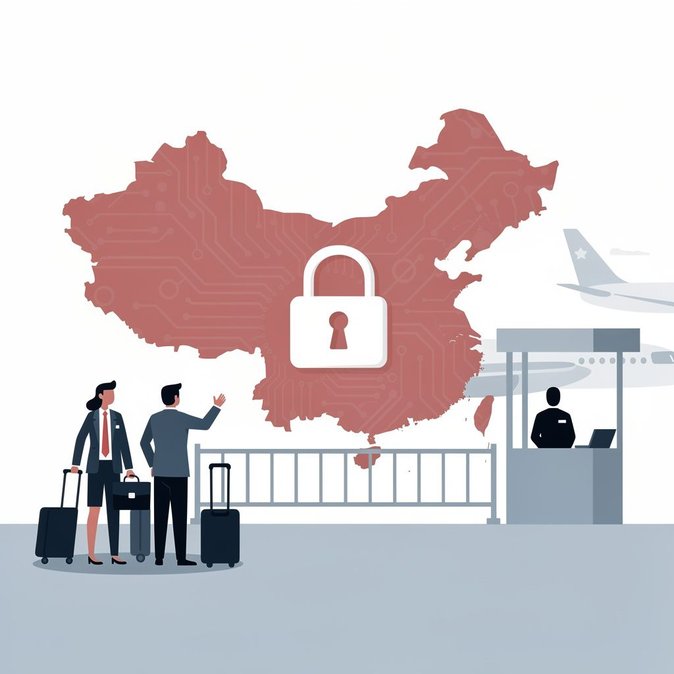
China’s long-anticipated Regulations on Exit-Entry Administration (State Council Decree No. 841) quietly entered into force on 15 September, but its business implications have come into sharp focus over the past 24 hours as legal advisers digested the 19-article text. A Brownstein client alert released late on 17 September notes that, for the first time, Chinese regulators now have an explicit legal basis to bar citizens from leaving the country if their overseas conduct "may endanger national industrial or technological security"—a standard that is undefined and potentially open-ended. The decree also creates a one-to-five-year entry bar for foreign nationals linked to companies that appear on China’s growing counter-measure or “unreliable entity” lists, tying corporate sanctions directly to individual mobility. Articles 7-10 introduce a mandatory registration regime for any firm providing immigration or relocation services inside China and flatly prohibit foreign-owned intermediaries from operating in the sector. For multinationals, the new framework elevates personnel mobility from an HR function to a compliance issue. Export-control, R&D and supply-chain teams are now potential targets for exit bans, while executives connected—even tangentially—to listed entities could be refused entry. The alert recommends immediate risk mapping of China-facing travellers, revision of invitation-letter procedures, and confirmation that local relocation vendors have filed with provincial immigration authorities. Although Beijing argues the regulation protects national security, critics say its vague triggers give officials sweeping discretion. Human-rights groups worry the measure could normalise the use of mobility restrictions for commercial leverage, while trade lawyers point out that Article 4 contains no maximum duration for export-control-related exit bans. Companies active in semiconductors, AI, aviation and advanced manufacturing are viewed as particularly exposed. Practically, firms are being urged to build contingency plans: keep critical negotiations outside China, provide travellers with “clean” devices, and incorporate exit-ban scenarios into business-continuity playbooks. With the upcoming U.S.–China leaders’ summit expected to spotlight technology competition, the likelihood that mobility will be used as a policy tool is only set to rise.