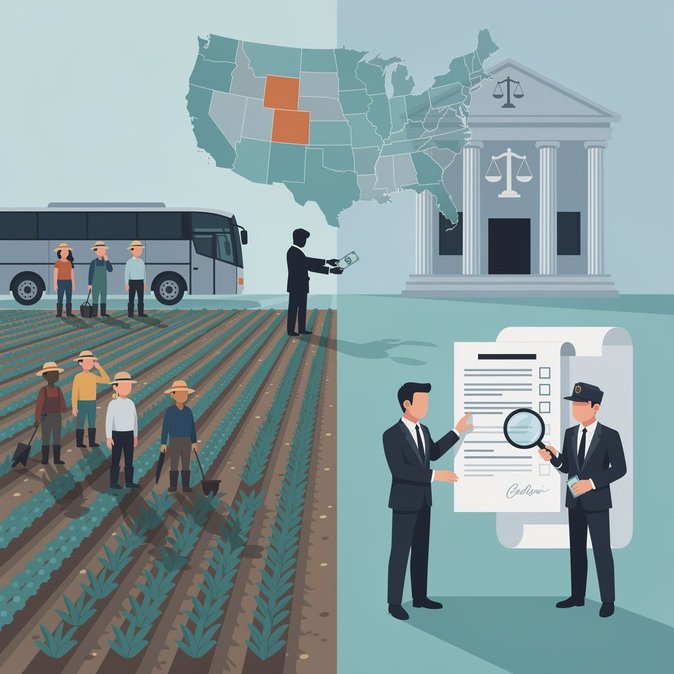
Federal prosecutors in the Southern District of Georgia unsealed an indictment on September 18 alleging that five defendants orchestrated a multi-state conspiracy to obtain H-2A agricultural worker visas fraudulently and then divert the laborers into unauthorized jobs. According to USCIS, which assisted the investigation, recruiters forged farm contracts, charged workers illegal fees, and transported them across state lines to work in restaurants and construction—conditions that sometimes amounted to forced labor. The indictment comes amid heightened enforcement of temporary-worker programs following reports of wage theft and human-trafficking risks. Under new guidance issued earlier this year, USCIS’ Fraud Detection and National Security Directorate (FDNS) has prioritized site visits to verify that H-2A and H-2B beneficiaries are performing the duties and receiving the wages certified in Department of Labor filings. For U.S. agribusiness and hospitality employers, the case is a cautionary tale: subcontracting arrangements that obscure the true worksite or task can trigger criminal exposure. Employers remain liable even when labor brokers file the petitions. Compliance teams should audit vendor relationships, ensure workers receive written job orders in their native language and monitor FDNS inspection readiness. If convicted, the defendants face up to 20 years’ imprisonment on forced-labor charges and up to 10 years for visa fraud, in addition to asset forfeiture. USCIS says the case demonstrates its commitment to “protecting visa integrity so that legitimate employers can access lawful seasonal labor without competing against traffickers.” The crackdown is likely to accelerate: DHS has requested FY-2027 funding for 120 additional FDNS officers dedicated to H-2 program oversight, and Congress is considering statutory caps on labor-broker mark-ups. Businesses relying on large seasonal workforces should expect more unannounced audits in the year ahead.
Source: USCIS News Release