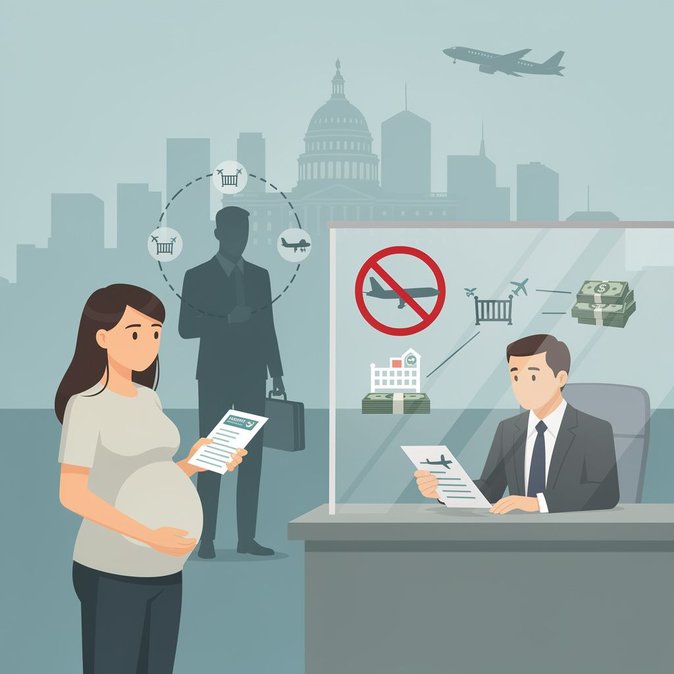
The U.S. Department of State has unveiled a sweeping visa-restriction policy aimed squarely at the operators and facilitators of so-called “birth-tourism” businesses—commercial networks that advertise packages for pregnant foreign nationals to travel to the United States expressly to secure U.S. citizenship for their newborns. Announced on September 23 by Secretary of State Marco Rubio, the policy invokes section 212(a)(3)(C) of the Immigration and Nationality Act to deny visas to owners, managers, medical providers and consultants who profit from the practice. Although U.S. consular officers have long been empowered to refuse a B-1/B-2 visitor visa if they suspect an applicant’s primary intent is to give birth in the United States, the new measure is notable for shifting the enforcement focus away from individual travelers and toward the commercial middle-men. State Department officials say the goal is to dismantle an industry that charges would-be parents tens of thousands of dollars, coaches them to commit visa fraud and, in some cases, facilitates Medicaid billing abuses. In announcing the rules, Rubio argued the crackdown is necessary “to defend the integrity of U.S. citizenship and safeguard taxpayers.” While the policy does not introduce blanket bans on pregnant visitors, it significantly widens the pool of people who can be barred from entering the country—potentially including family members of flagged facilitators. Immigration lawyers expect heightened scrutiny of travelers from countries where commercial birth-tourism agencies advertise heavily, particularly in East Asia and Russia. Companies operating maternity-center hostels in California and Florida could find principals black-listed and bank accounts scrutinized. For multinational employers, the action is unlikely to affect routine short-term assignments for pregnant executives if credible business reasons exist. Nevertheless, mobility managers should prepare for more probing consular interviews, requests for medical documentation and closer examination of employer-paid travel for expectant employees. Firms that reimburse childbirth-related medical expenses in the United States for foreign staff should review policies to ensure they do not inadvertently facilitate prohibited conduct. Practically, the announcement underscores a broader enforcement trend: the Biden and Trump administrations alike have used INA §212(a)(3)(C) to impose visa bans on human-rights abusers, corruption suspects and public-benefits fraudsters. By applying the same authority to birth tourism, the State Department signals it is willing to wield powerful discretionary tools to police perceived loopholes—even when no new legislation is forthcoming.