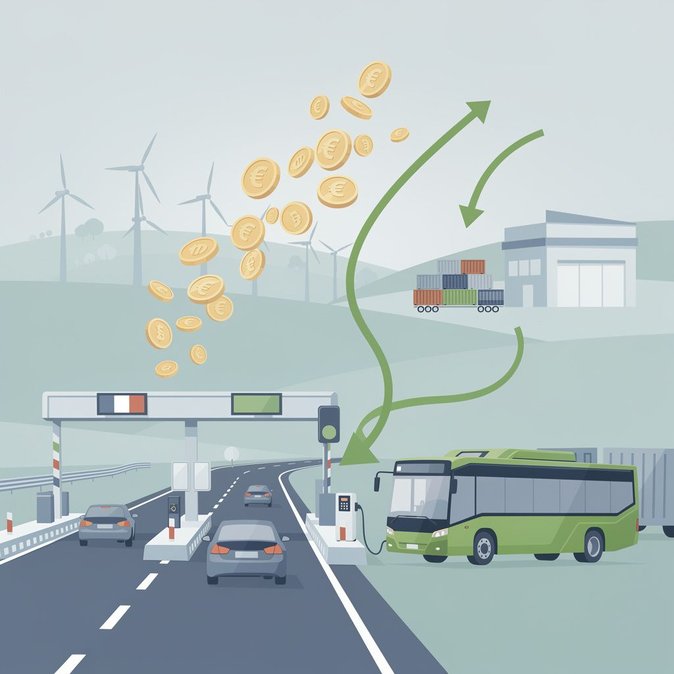
Décret n°2026-884, appearing in the 24 September Journal Officiel, revises the distribution formula for France’s tax on long-distance transport infrastructure operators. The levy—paid by motorway concessionaires, high-speed rail operators and intercity bus companies—will now channel 60 % of receipts to regional low-carbon mobility funds, up from 45 %. The Transport Ministry says the change will unlock an extra €340 million annually for electrification of coach fleets, installation of hydrogen refuelling points along the A10 and subsidies for multimodal freight hubs. In return, concessionaires gain a five-year depreciation window for investments that reduce direct CO2 emissions. For corporate travel managers the shift could translate into modest toll increases as operators seek to offset the higher earmark. Vinci Autoroutes has already hinted at a 1.2 % surcharge on business account subscribers from 1 January, while SNCF Réseau ruled out any immediate changes to track-access charges but will review after Q1-2027. Multinationals with large road fleets should model cost scenarios and consider switching segments to rail or coach once subsidised green services come online. The decree also expands eligibility for the ‘Forfait Mobilités Durables’—employer subsidies for low-carbon commuting—to staff of affected transport operators, creating HR budgeting implications. Policy analysts view the re-allocation as France’s latest step toward meeting its Fit-for-55 transport targets; however, industry groups warn that without parallel cuts to red-tape, projects may stall despite the new funding stream.
Source: Journal Officiel – Légifrance