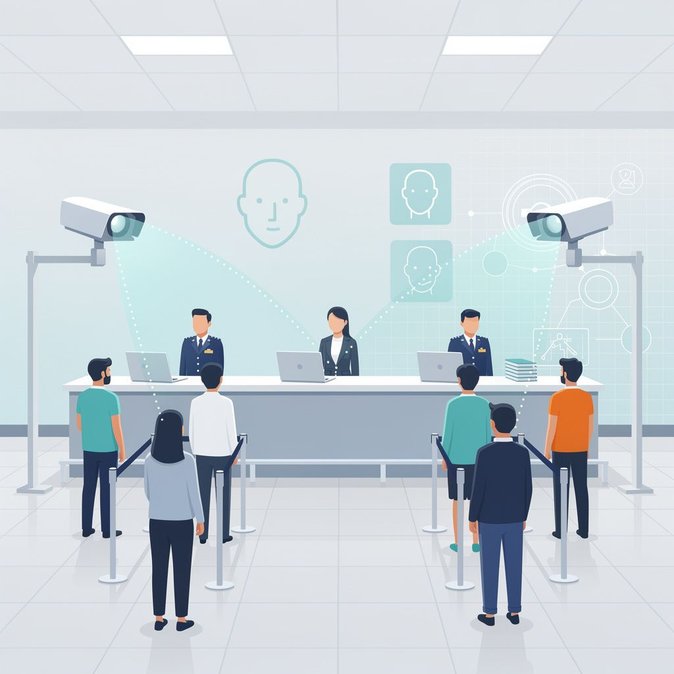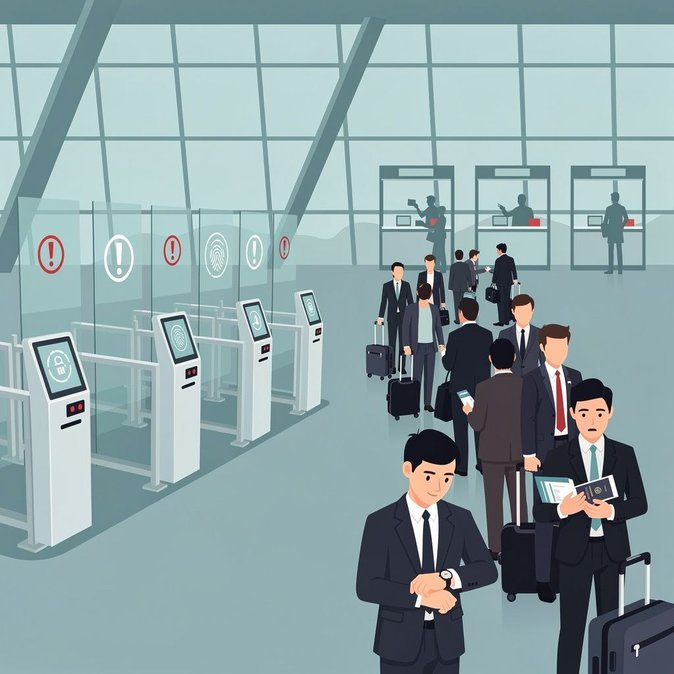
Travellers transiting Sydney and Melbourne airports on 26 September experienced intermittent outages at SmartGate e-passport kiosks, causing manual-processing queues of up to 45 minutes at peak times. Airport authorities blamed a software patch deployed overnight that affected biometric verification for some e-chip passports. Retailer Mont Laurént used the disruption to highlight rising demand for compact travel-document wallets and RFID-blocking sleeves. “Automation is fantastic—until it isn’t,” owner Gemma Lumley said, pointing to a 30 % spike in sales after social-media posts showed lines snaking through arrivals halls. Airlines advised premium passengers to allow extra buffer time and reminded travellers that physical passports must still be presented even when using mobile boarding passes and digital declarations. The Department of Home Affairs confirmed SmartGate performance had been restored by early afternoon but recommended keeping documents easily accessible in case of further glitches. For mobility managers, the incident underscores the importance of contingency planning for automated-border failures. Companies with tight connection schedules are reviewing layover policies, and some are reinstating meet-and-assist services for high-value travellers until system stability is assured. Airport IT vendors say a broader upgrade programme scheduled for October will add cloud-based redundancy, which should minimise future disruptions, but short-term teething problems remain likely during rollout.
Source: WBOC – Press Releases