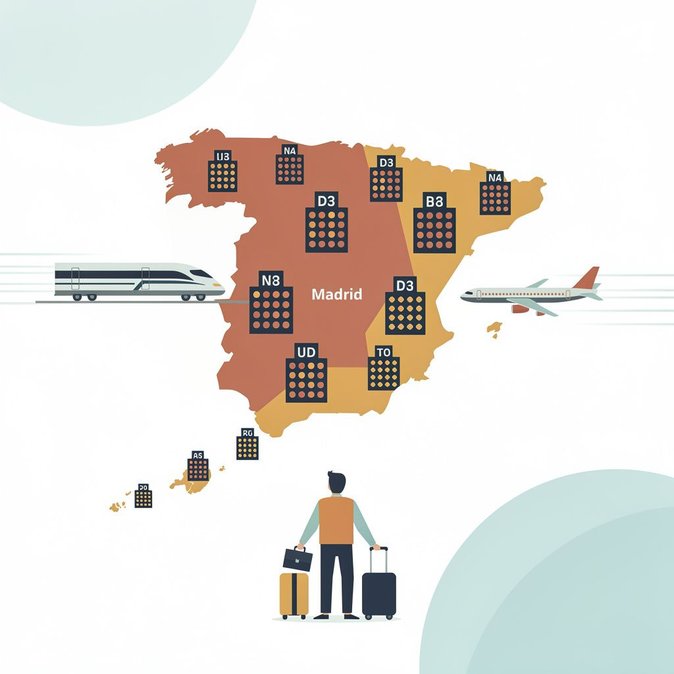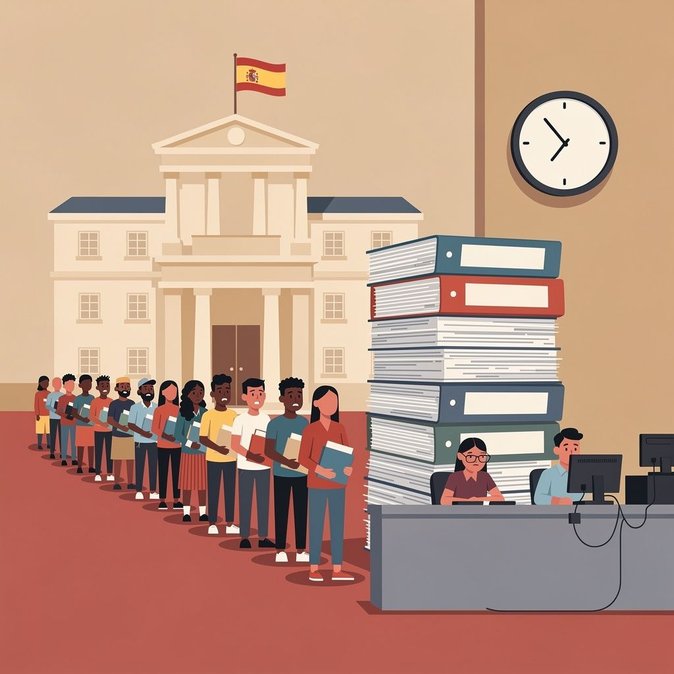
Spain’s extraordinary regularisation programme—hailed last year as the largest single immigration initiative in EU history—has hit a bureaucratic wall. According to an investigation published on 9 October by Barcelona daily ARA, only 27.9 % of the 1.17 million applications submitted by undocumented migrants have received a final decision, despite a government pledge to clear the backlog by the end of September. Lawyers surveyed for the report estimate that 65.5 % of files have at least been admitted for processing, but roughly 850,000 people remain in legal limbo. The slow-down comes at a politically sensitive moment: Spain heads to the polls on 29 November, and migrant-rights collectives fear a change of government could derail the scheme. Without a definitive resolution, many applicants cannot access a Tarjeta de Identidad de Extranjero (TIE) and therefore cannot sign employment contracts, open bank accounts or travel internationally. Corporate mobility managers report cases of skilled workers who accepted intra-company transfers to Spain but are now effectively barred from starting work because their TIEs have not been issued. The Ministry of Inclusion, Social Security and Migration says resources are being redeployed to clear the caseload, yet insiders admit that personnel shortages and an under-funded IT platform have hampered progress. The government recently announced a 45-day “shock plan” involving voluntary overtime in regional extranjería offices, but unions warn that ad-hoc measures will not fix systemic staffing deficits. From a compliance perspective, firms employing foreign talent in Spain should verify that employees hold at least the provisional work authorisation granted at the “admisión a trámite” stage; hiring without this can trigger hefty fines. Mobility advisers also urge assignees to keep digital copies of submission receipts, which may help at police checks or when re-entering Spain after business travel. Policy analysts say the episode underscores the need for capacity planning whenever exceptional regularisation windows are launched. Should the backlog persist into 2027, Spain risks creating a de-facto shadow population of semi-regular migrants—neither fully documented nor removable—complicating labour-market statistics and social-security collections.
Source: ARA