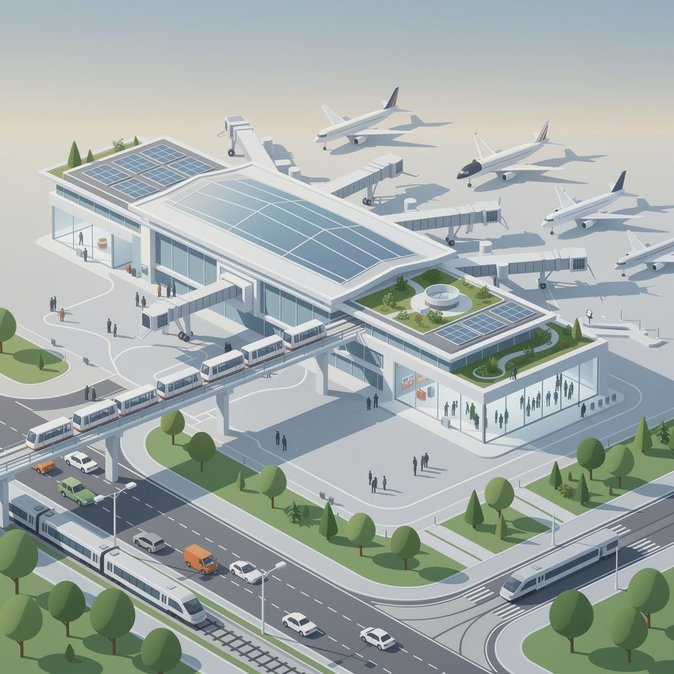
Delhi International Airport Ltd (DIAL) has published a 10-year master-plan that will raise the capital’s annual passenger capacity from 106 million to 125 million by 2032. Key projects include a new Pier E at Terminal 3 by 2030, additional contact gates for wide-body aircraft and space reservations for a future Terminal 4 and automated people-mover. The expansion dovetails with the government’s Gati Shakti multimodal initiative and anticipates the growth of Air India’s long-haul hub following its wide-body fleet renewal. Cargo capacity will rise 35 %, aided by landside road and dedicated freight corridors linking to the Delhi–Mumbai Industrial Corridor. DIAL says construction will prioritise green building standards and aims for net-zero operations by 2035. For corporate mobility planners, the project promises more international slots, reduced connection times and additional premium lounges—vital as Delhi edges towards Changi-style hub status within South Asia. Consultancy CAPA India expects intra-Asia corporate traffic via Delhi to double over the next decade if capacity constraints are removed. Airlines are already negotiating for arrival/departure waves aligned with Europe and North America. However, analysts caution that surface access—particularly the planned airport metro extension and expressway upgrades—must keep pace. Business chambers have urged authorities to integrate ticketed city-side check-in and e-gate immigration facilities being rolled out under the IVFRT upgrade. The master-plan will now go before the Airports Economic Regulatory Authority for tariff consultations; funding is expected via a mix of bonds and user-development fees, with construction starting mid-2027.