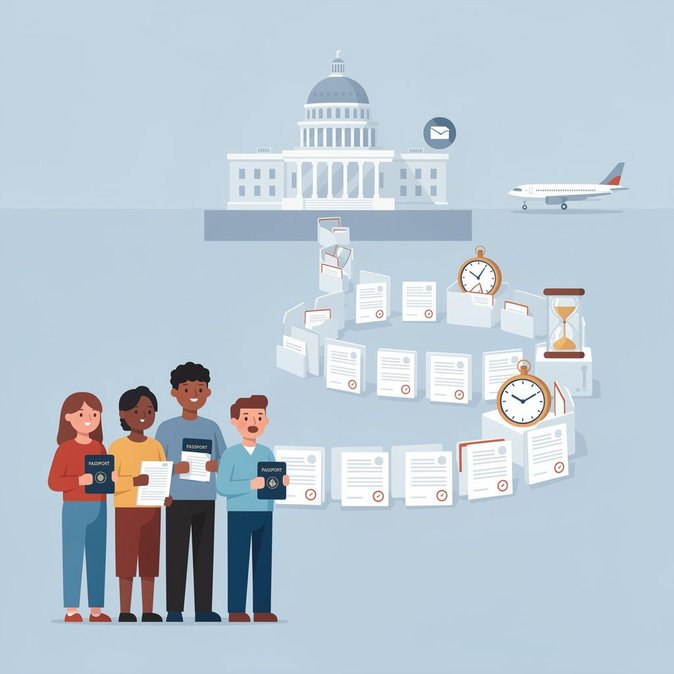
USCIS on October 22 issued a final rule that cements last year’s interim regulations ending the 540-day automatic extension of Employment Authorization Documents (EADs) for certain renewal applicants. For petitions filed on or after October 30, 2025, the automatic-extension period reverts to the standard 180 days (or zero, for categories not entitled to any automatic extension). The 540-day measure was first introduced in May 2022 as a pandemic-era stop-gap to ease processing backlogs. USCIS argues that staffing levels and technology upgrades have now restored normal adjudication timelines, making the extraordinary buffer unnecessary. The final rule makes no substantive changes to the 2025 interim rule but provides formal codification in 8 CFR 274a.13. Affected groups include H-4 spouses, L-2s, adjustment-of-status applicants, certain asylum applicants, and F-1 OPT holders who relied on the longer grace period to keep working while renewals were pending. Going forward, employers must closely track EAD expiration dates and file well in advance—ideally 6–8 months—to avoid work-authorization gaps. Payroll and I-9 compliance teams should update reverification calendars accordingly. Despite stakeholder pleas, USCIS declined to grandfather pending cases or introduce premium processing for all EAD categories. The agency did, however, signal an intent to launch an online self-service portal by early 2027 that will allow applicants to check real-time processing status and submit missing documents digitally. Global mobility managers should reassess assignment timelines for dependent spouses and adjustment candidates, build in contingency plans (such as leave of absence or remote work abroad) if delays occur, and communicate the new limits to talent-acquisition teams so offer letters reflect realistic start dates.