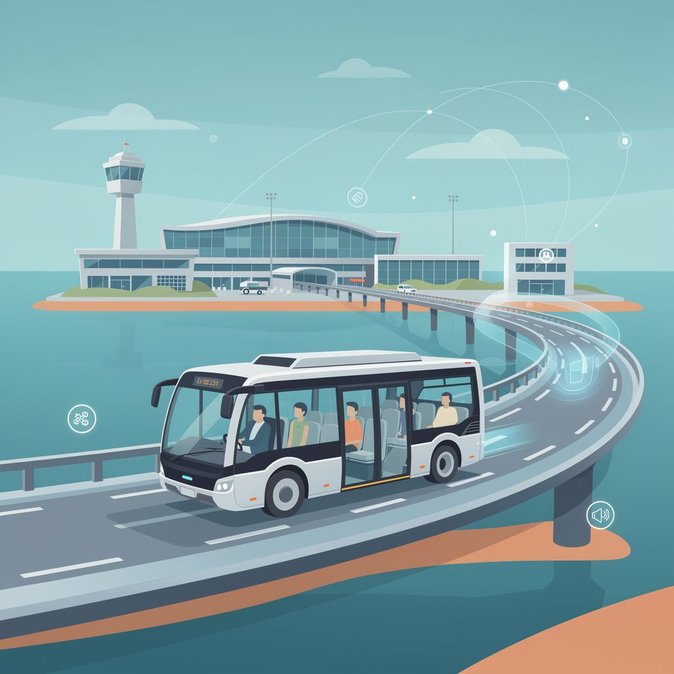
Hong Kong’s Transport Department has authorised the next phase of autonomous-vehicle (AV) testing on North Lantau, allowing operators to run truly driverless shuttles around Hong Kong International Airport’s island precinct. Previous phases required safety drivers on board; from this week, monitoring will be handled remotely from a control centre, with on-vehicle signage alerting road users that a “fully driverless” test is in progress. The green light follows months of data collection on braking accuracy, obstacle detection and fail-safe protocols, which officials say met or exceeded the 99.99 % reliability threshold. Airport Authority executives believe air-side AVs could cut bussing costs by 30 % and shorten transfer times for connecting passengers—a boon for the hub’s effort to claw back regional market share lost during the pandemic. From a global-mobility perspective, seamless curb-to-gate transfers reduce minimum-connection windows and enhance predictability for tight itineraries, especially for premium travellers connecting between regional jets and long-haul flights. Corporates running high-frequency Asia circuits may be able to book tighter layovers once the service is fully commercialised. The trial also signals wider adoption of smart-mobility legislation passed in 2025 that created a sandbox for Level-4 AV pilots in logistics parks, universities and tourist enclaves. Companies operating campus-style offices on Lantau—such as DHL’s regional hub and Cathay’s staff village—are already in talks to deploy autonomous last-mile vans. Mobility managers should monitor insurance implications: Hong Kong’s current policy requires ride-hailers to hold HK$200 million third-party cover, but regulators hint that a lower tier may apply to geo-fenced AVs, potentially lowering employee ground-transport costs.
Source: news.gov.hk