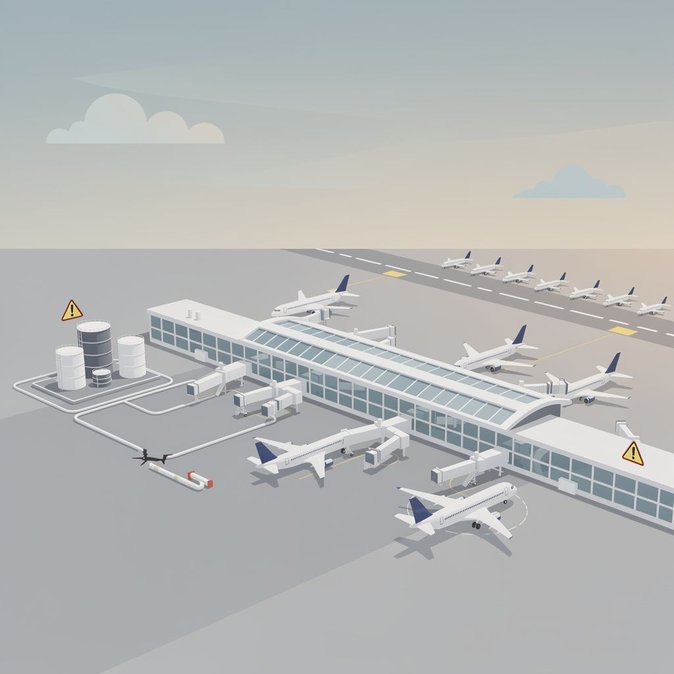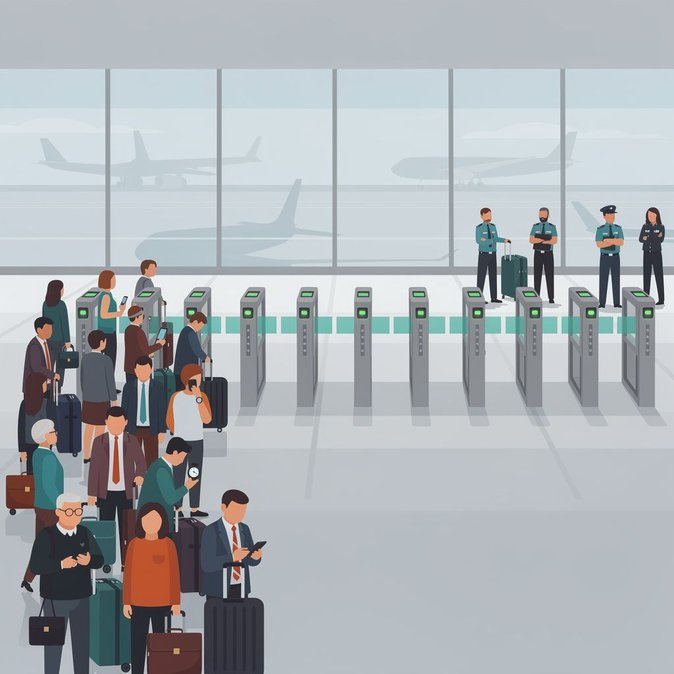
Hundreds of passengers arriving on long-haul flights into London Heathrow reported being held in arrivals halls for up to three hours on Sunday after a roster shortfall left only six e-gates operating during the early-afternoon peak. Travellers took to social media to complain that Border Force officers were ‘nowhere to be seen’, with some parents forced to bed infants on terminal floors while waiting to clear UK entry formalities. The Public and Commercial Services (PCS) union told reporters that last-minute sickness absences coincided with an unusually heavy arrivals bank created by additional Commonwealth Games charter flights from Glasgow, funnelling tens of thousands of spectators back through the capital. Unlike full-scale strikes, the squeeze was unplanned, leaving Heathrow’s contingency playbook—drafted after the 2023 Christmas walk-outs—largely un-activated. For business travellers, the episode is a reminder that the UK’s border automation upgrade, originally slated for completion before the games, is running behind schedule. Only half of Terminal 2’s 32 new biometric gates have been commissioned, and the Home Office’s separate ‘walk-through’ facial-recognition trial has yet to progress beyond staff testing. Airlines say they were given no warning to stagger inbound slot times, compromising tight onward connections to Edinburgh, Manchester and continental hubs. Heathrow Airport Ltd is pressing the government to accelerate training and security clearances for 400 additional seasonal officers, warning that August sees the highest volume of point-to-point North American traffic. PCS counters that attrition will continue until an ongoing dispute over shift patterns and weekend premiums is resolved—talks resume at ACAS on 6 August. Practical advice: companies with executives transiting Heathrow over the next fortnight should schedule longer layovers, consider A1 visa fast-track services (where eligible), and remind travellers that switching terminals landside may entail re-joining immigration queues if e-gates are inoperative.