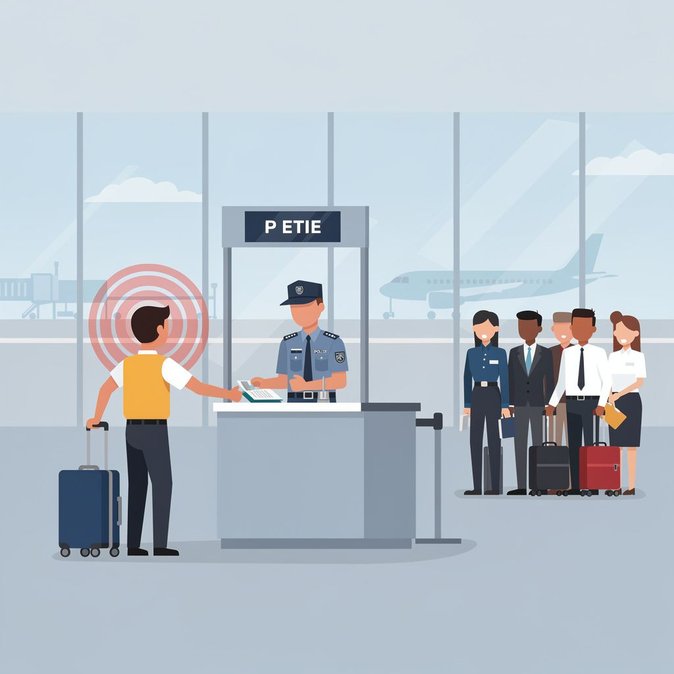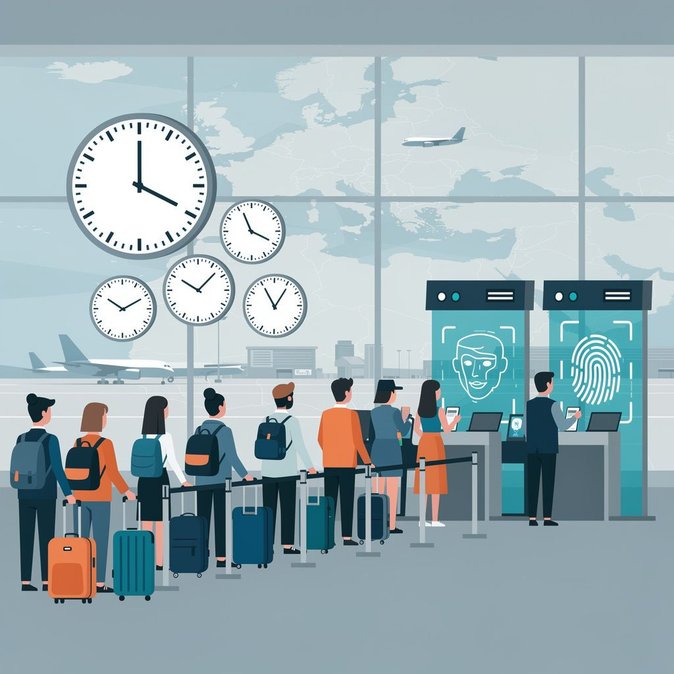
Radio Frankfurt has issued a traveller advisory after Germany’s busiest hub warned of ‘significantly longer lines’ during the upcoming autumn school holidays. The trigger is the phased roll-out of the EU Entry-Exit System (EES), which records biometric data of all non-EU nationals entering or leaving the Schengen Area. Fraport recommends that intercontinental passengers reach the terminal at least three hours before departure—even EU citizens heading outside Schengen are advised to allow extra time. The alert follows a technical outage at Frankfurt last week that paralysed several e-gates and left hundreds of passengers queueing for up to two hours, according to Hessischer Rundfunk reports later confirmed by the Federal Police. Although systems are now stable, Fraport said stress-tests show wait-times could double once school holidays start on 10 October. For mobility managers the message is clear: build larger buffers between arrival in Frankfurt and onwards rail or air connections. Lufthansa has told key corporate accounts it will re-protect mis-connections free of charge only if the original itinerary respected the three-hour guideline. Companies operating frequent in-and-out rotators—consultants, technicians and flight crews—may want to investigate the airport’s ‘Smart Way’ lane-booking tool, which lets travellers reserve a 30-minute security slot. The Frankfurt experience offers a preview of what lies ahead across the EU. From 2027 the EES database will be live at all external borders, replacing manual passport stamping. Technology teething problems in Germany—Europe’s largest aviation market—are likely to inform software patches and staffing models in smaller member states. On the legal side, carriers remain liable for denied boarding if passengers miss flights because of inadequate staffing at border control. Travel departments should monitor daily queue-time dashboards (FlightQueue publishes live data) and consider pushing high-value travellers onto Munich or Zurich routings until Frankfurt’s EES learning curve flattens.
Source: Radio Frankfurt