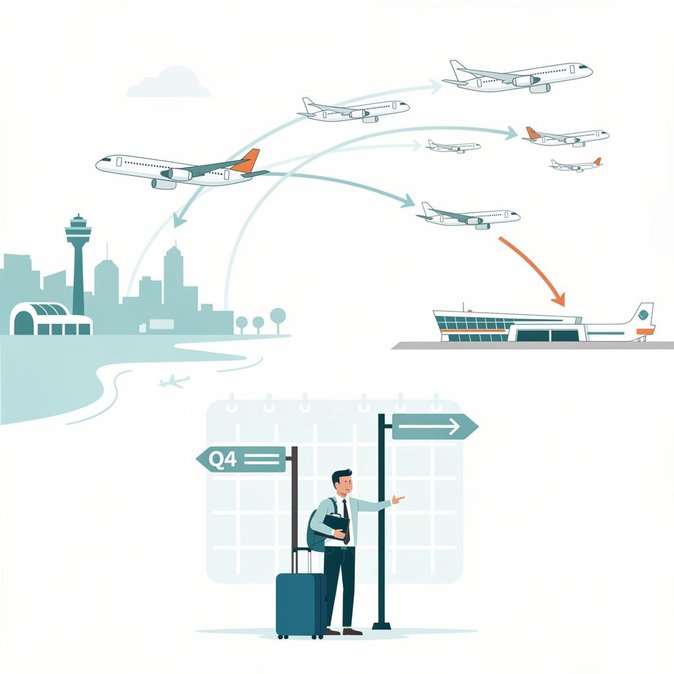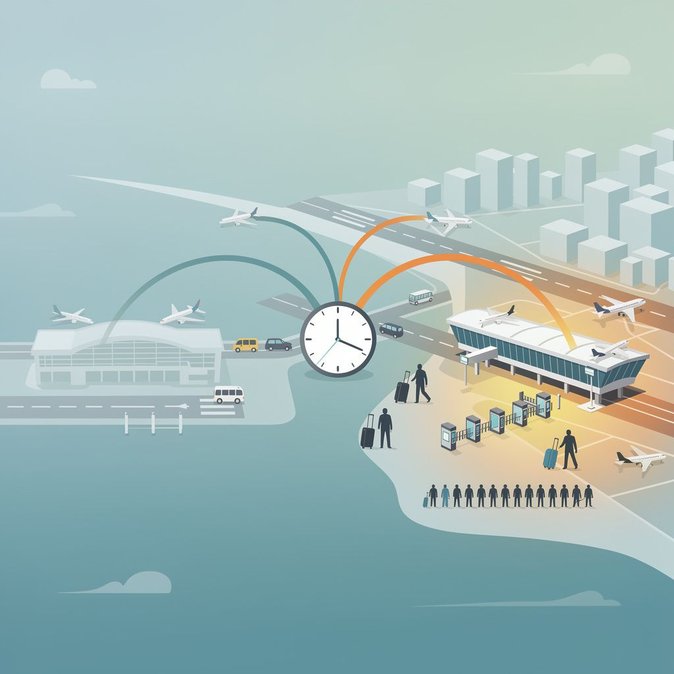
With demolition works scheduled at Mumbai’s aging Terminal 1, airlines have started the first wave of service reallocations effective 1 October 2026. Business magazine ‘The Week’ reports that passengers departing India’s financial hub today found some flights re-ticketed to the newly opened Navi Mumbai International Airport (IATA code NMI) or redirected from Terminal 1 to Terminal 2 at Chhatrapati Shivaji Maharaj International Airport (BOM). MIAL’s long-planned T1 closure (from 25 October) is driving the redistribution. Domestic carriers such as IndiGo and Akasa Air have already published revised timetables, while several Gulf and Southeast Asian airlines have flagged that a portion of their winter-schedule flights will shift to NMI pending regulatory clearances. Ground handlers, immigration officials and customs staff have been redeployed accordingly, although industry sources say full staffing will take several weeks. For travellers, the immediate impact is logistical. NMI is 45–60 km from South Mumbai and not yet linked to the suburban rail network; road travel can exceed 90 minutes at peak times. Ride-hailing firms have introduced flat-fare packages, and a dedicated airport express bus now runs every 30 minutes from Bandra-Kurla Complex. Immigration facilities at NMI include 24 e-visa kiosks but only four staffed counters in the soft-opening phase, so premium-class passengers may experience shorter queues at BOM’s T2. Travel-management companies recommend that corporate bookers update PNR profiles to include mobile numbers for automated gate-change alerts, and print itineraries showing the correct airport code to avoid confusion with taxi drivers. Foreign travellers on Indian e-visas should note that NMI is already among the 88 designated ports of entry for e-visa holders, but carriers must correctly transmit the APIS data or boarding could be denied. Looking ahead, MIAL expects NMI to handle up to 20 million passengers annually by 2028, eventually relieving capacity constraints that have plagued BOM for a decade. Until then, the dual-airport system will require nimble itinerary management by both airlines and corporate travel teams.
Source: The Week