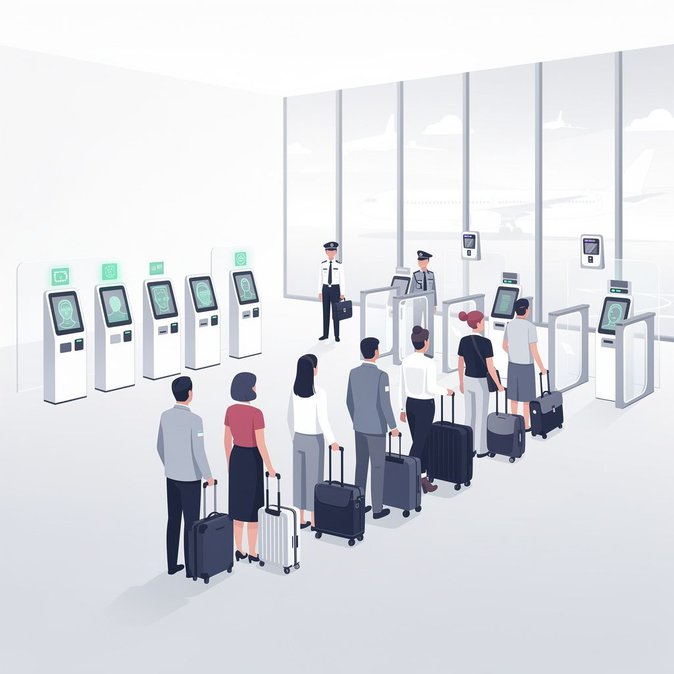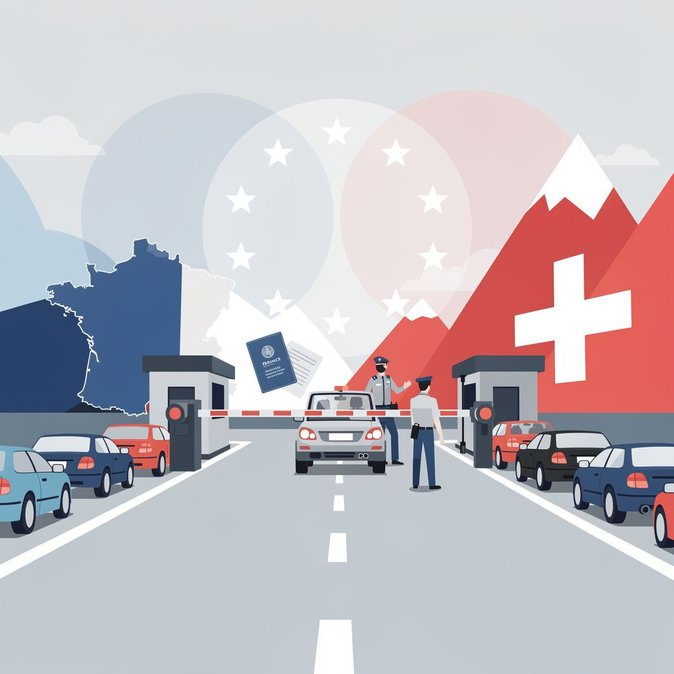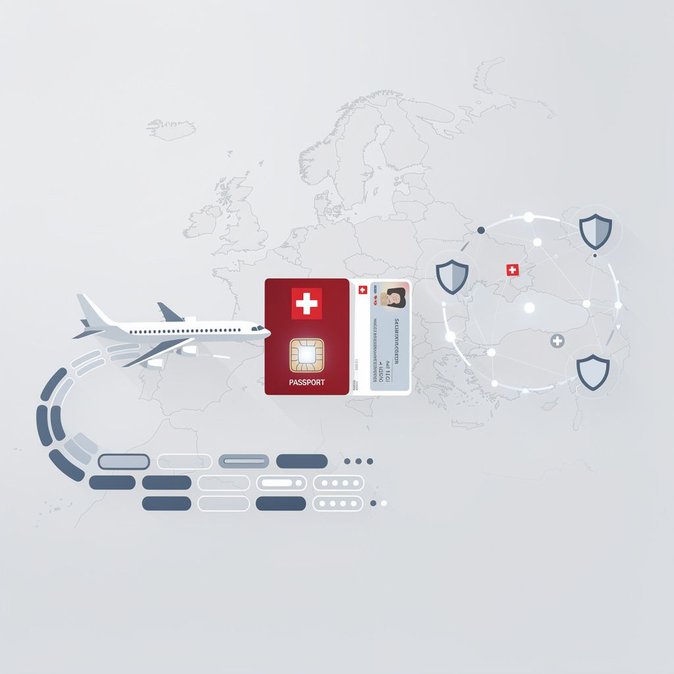
The Federal Council’s autumn regulatory package will make 1 November 2026 a red-letter day for anyone who moves people or data across Swiss borders. Three inter-locking ordinances—quietly published in the Federal Gazette and confirmed by government spokesman André Simonazzi—will overhaul how airlines transmit passenger information, how police exchange Schengen alerts and how Swiss citizens obtain passports and identity cards. 1. Air-Passenger Data: From next month every airline flying to, from or over Switzerland must file advance Passenger Name Record (PNR) data with the new Passenger Information Unit (PIU) in Bern. The PIU will match itineraries against terrorism and serious-crime watch-lists, mirroring systems already in force in the EU and United States. Carriers must inform customers of the data transfer before booking confirmation and meet strict transmission-format and retention-period rules. Failure can trigger fines of up to CHF 100,000. 2. Schengen Information System (SIS): A separate ordinance codifies the duties of Fedpol’s SIRENE Bureau, Switzerland’s hub for Schengen alerts on lost documents, wanted persons and discreet surveillance requests. The text clarifies data-quality standards and establishes a 24/7 duty-officer model so that Swiss queries do not bottleneck the wider SIS network. For mobility professionals the change promises faster confirmation of residence permits and fewer manual checks at land borders. 3. Identity Documents: Swiss citizens applying for travel papers after 1 November will encounter rebranded and technically upgraded documents. The temporary “provisional passport” becomes the “emergency passport”, and the standard identity card will be offered in chip-enabled and chip-free versions. Fingerprint capture for chip documents is now explicit, aligning Switzerland with ICAO biometric norms. Fees rise by CHF 5-15 to cover new security features. Taken together, the measures tighten aviation security, streamline cross-border policing and modernise travel documents just ahead of the EU’s long-delayed Entry/Exit System (EES) go-live, now pencilled in for mid-2027. Airlines, travel-management companies and relocation providers should update booking flows to display the mandatory PIU data-privacy notice and ensure system readiness for PNR transmissions. HR teams moving staff in and out of Switzerland will want to brief travellers on the new passport and ID-card options—and remind non-EU nationals that SIS data sharing may speed up background checks at Schengen frontiers. The government emphasises that the three ordinances form a single package: passenger-data, police-data and ID-document rules take effect simultaneously to avoid legal grey zones where one element is active but the others are not. A six-month grace period applies only to the biometric-ID fee increase, giving cantonal passport offices time to adjust invoicing software. For the wider mobility sector the message is clear: data flows, compliance obligations and document formats are evolving rapidly. Companies that build the new requirements into travel policies now will avoid last-minute scrambles when holiday-season volumes surge in December.
Source: SWI swissinfo.ch