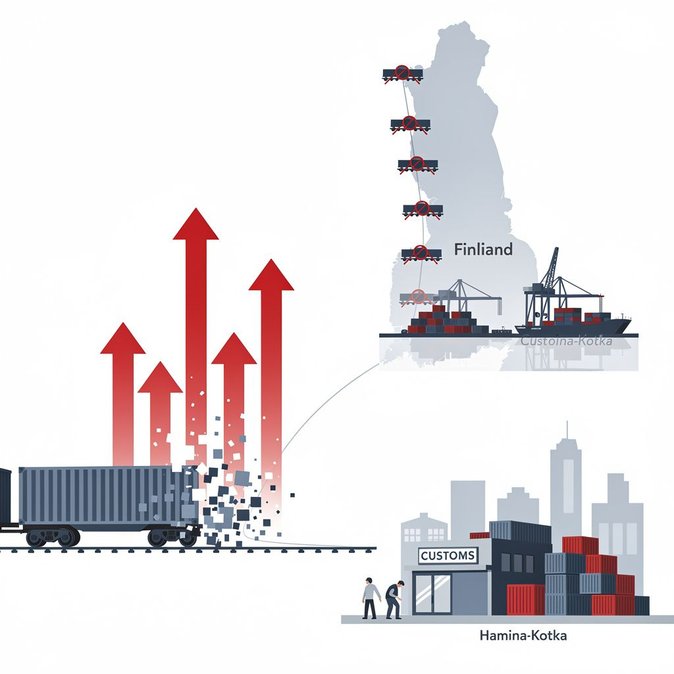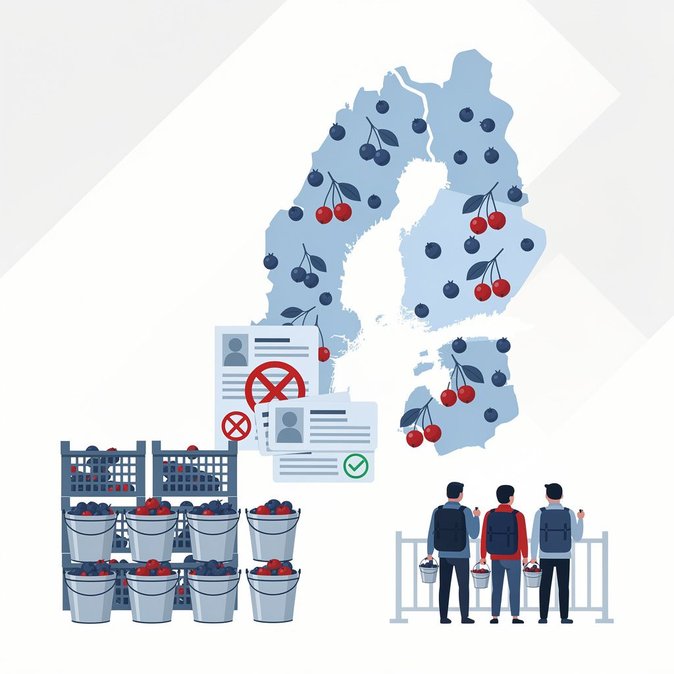
Finland’s Ministry for Foreign Affairs confirmed on 8 July that it has refused roughly two-thirds of the 2,200 seasonal-work visa applications submitted so far this year by non-EU wild-berry pickers—mostly Thai nationals who normally arrive every July–September to harvest bilberries and lingonberries in Finland’s forests. According to officials, about 1,400 applications have been turned down, primarily at Finland’s embassy in Bangkok. The visa officers said they were not convinced that the Finnish contractors recruiting the pickers could meet their legal obligations on pay, accommodation and occupational safety—a concern amplified by last month’s human-trafficking conviction of a former berry-company executive. The unusually high refusal rate marks a decisive policy shift that began in 2023, when Finland stopped issuing tourist visas for berry picking and required all harvesters to hold either a seasonal-work visa (valid up to 90 days) or a longer residence permit. Authorities say the stricter line is meant to stamp out exploitation that has plagued the industry, including excessive indebtedness to labour brokers and piece-rate earnings below Finland’s minimum wage. Visa officers now require written employment contracts, verified wage guarantees and evidence of suitable housing before granting permission. For berry companies, the timing could not be worse. Industry groups warn that millions of kilos of bilberries could be left unpicked in the forest this summer, pushing fresh-berry prices higher and threatening exports of frozen berries to Asia and North America. Several small processors say they may have to idle plants or lay off staff, while retailers expect consumer prices to rise sharply. The Finnish Natural Products Association has appealed the negative visa decisions to administrative courts, arguing that the blanket refusals punish compliant employers and hurt rural economies. From a global-mobility perspective, the case illustrates how destination countries are tightening seasonal-work programmes to combat labour abuse—even at the cost of creating acute labour shortages. Employers that depend on short-term migrant labour must now provide more robust compliance evidence well in advance, while sending-country agencies will need to help workers navigate new documentation demands such as written contracts and proof of adequate insurance. Multinational food companies sourcing Nordic wild berries should prepare contingency plans, diversify suppliers, and update cost forecasts to reflect potential raw-material shortages. Corporate mobility managers sending employees or assignees to Finland this summer should also note that Finnish border officials may conduct more in-depth checks on work-purpose visas at ports of entry, particularly for travellers coming from Thailand or other high-risk recruitment corridors. Ensuring that all supporting documents—employment contracts, accommodation details and insurance—accompany the visa holder will help avoid delays at Helsinki or regional airports.
Source: Yle News