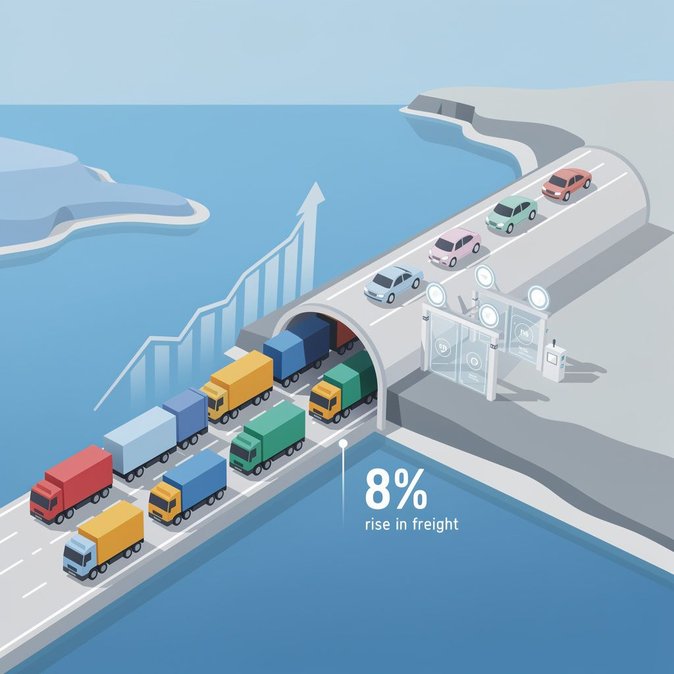
France’s energy infrastructure came under pressure on 8 October 2026 after the CGT union launched a 24-hour strike at key TotalEnergies sites, including the giant Normandy refinery at Gonfreville-l’Orcher and the Donges facility near Nantes. By mid-morning, union officials reported that outbound fuel shipments at three refineries and the La Mède bio-refinery were “completely stopped,” with pickets also closing up to 27 company-branded service stations nationwide. TotalEnergies management contested the figures, claiming less than 2 % overall participation. Although refining units continue to operate, the blockage of loading bays is already disrupting just-in-time fuel logistics. Transport federations warned of spot shortages on the A11 and A7 motorway corridors by Friday if the action is repeated. Mobility providers are advising assignees with leasing cars to top up tanks before undertaking inter-regional moves, while several relocation firms have rerouted household-goods trucks through independent filling stations at higher cost. The CGT says the strike highlights chronic understaffing and pay compression—arguing that some station-staff salaries now sit only cents above the minimum wage despite record corporate profits. A broader concern for the mobility sector is the cumulative impact of rolling industrial actions: the fuel stoppage compounds ongoing RATP and cargo-handling strikes, converging into what one relocation manager dubbed “a perfect storm for October move-ins.” A government spokesman stated that strategic fuel stocks would be released if regional shortages emerge, but urged motorists not to engage in panic buying. During similar refinery blockades in 2023 and 2024, some expat drivers reported waiting up to two hours for petrol around Lyon and Bordeaux, triggering missed immigration medicals and orientation sessions. While the current notice is limited to 24 hours, union coordinator Éric Sellini hinted at future action if wage talks stall: “We proved today we can shut the valves—next time it could be longer.” Mobility planners should therefore monitor supply-chain advisories closely over the coming weeks.
Source: Le Parisien